Explore Signal Mountain Outdoor Living and Home Styles
June 11, 2026
June 11, 2026
If you picture mountain living as a tradeoff between nature and convenience, Signal Mountain may surprise you. This town offers a scenic setting on Walden’s Ridge while staying about ten miles from downtown Chattanooga, which gives you room to enjoy the outdoors without feeling far from daily essentials. If you are drawn to homes that feel connected to the landscape, Signal Mountain gives you a lot to think about. Let’s dive in.
Signal Mountain sits at the southern end of the Cumberland Plateau, overlooking the Tennessee River Gorge and the City of Chattanooga. The town describes itself as a residential community surrounded by natural beauty, and its mountaintop setting includes large rock outcroppings, gently rolling land, and a naturally cooler elevation than the valley below.
That geography shapes more than the view. It helps explain why outdoor living is not just a bonus here. In many parts of Signal Mountain, the natural setting is part of everyday life, from the streetscape to the backyard to the front porch.
There is also a strong historical reason this lifestyle feels so rooted. Signal Mountain first drew seasonal visitors looking for cool summer breezes, then later evolved into a year-round residential community. That past still shows up today in the way homes often emphasize porches, windows, and comfortable outdoor gathering space.
Signal Mountain’s park and trail system makes outdoor activity feel woven into daily routine. The town says more than 600 acres in and around Signal Mountain are dedicated to horticultural parks, natural areas, scenic parks, and wilderness parks. It also notes there are 18 miles of trails connecting parks and nearby natural areas.
That kind of access tends to influence what people want in a home. If you hike, bike, trail run, or simply enjoy being outside, practical features start to matter just as much as square footage. You may find yourself looking for a home that makes it easy to move from the trail to the house without stress.
Common lifestyle-friendly features in this setting can include:
These preferences fit the town’s trail-centered culture. Official community planning also highlights a goal of making Signal Mountain more pedestrian- and bicycle-friendly, which supports the idea that many residents value homes that work well for active routines.
On Signal Mountain, scenic views are not limited to a few special spots. Parks like Overlook Park, Sunrise Lookout Park, and Signal Point reflect how central the landscape is to the local experience. Signal Point, in particular, offers panoramic views of the Tennessee River Valley.
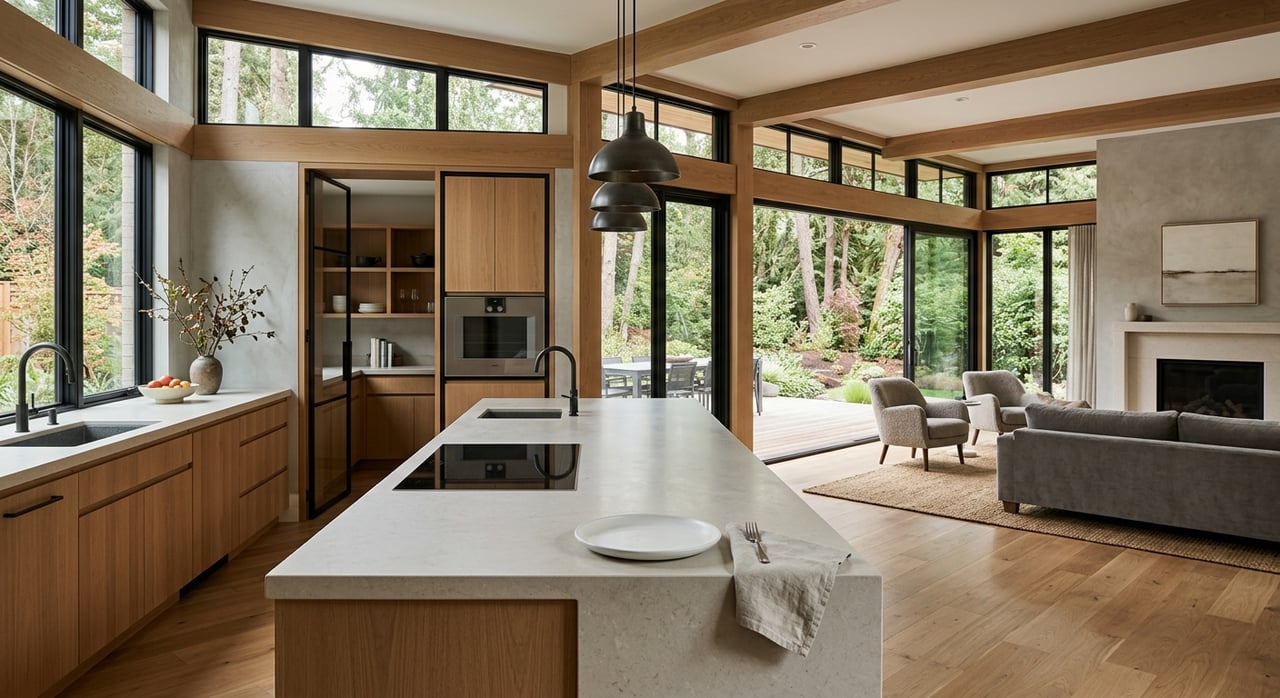
That has a real effect on what feels appealing in a home. Window placement, porch orientation, and outdoor seating areas can carry more importance here than they might in a more typical suburban setting. A home that captures light, breezes, and tree-filled surroundings often feels especially in tune with the area.
If you are comparing homes on Signal Mountain, it helps to think beyond the interior layout alone. Ask how the home interacts with the lot, the trees, and the surrounding topography. In this market, the connection between indoor and outdoor space can be one of the biggest parts of a home’s appeal.
Signal Mountain’s historic core offers a strong architectural identity. According to National Register documentation, the most prominent documented styles are Bungalow/Craftsman and Tudor Revival. Other influences include Colonial Revival, English Cottage Revival, and Spanish Colonial Revival.
The historic district runs roughly along James Boulevard, Brady Point Road, and Signal Point Road. The town describes this area as a place where period homes and summer cottages sit along tree-lined streets, with visible reminders of the mountain’s earlier resort era.
For buyers, that means Signal Mountain is not a one-note housing market. You can see a meaningful mix of home styles, but many of them share one trait: they feel designed to belong in the landscape rather than compete with it.
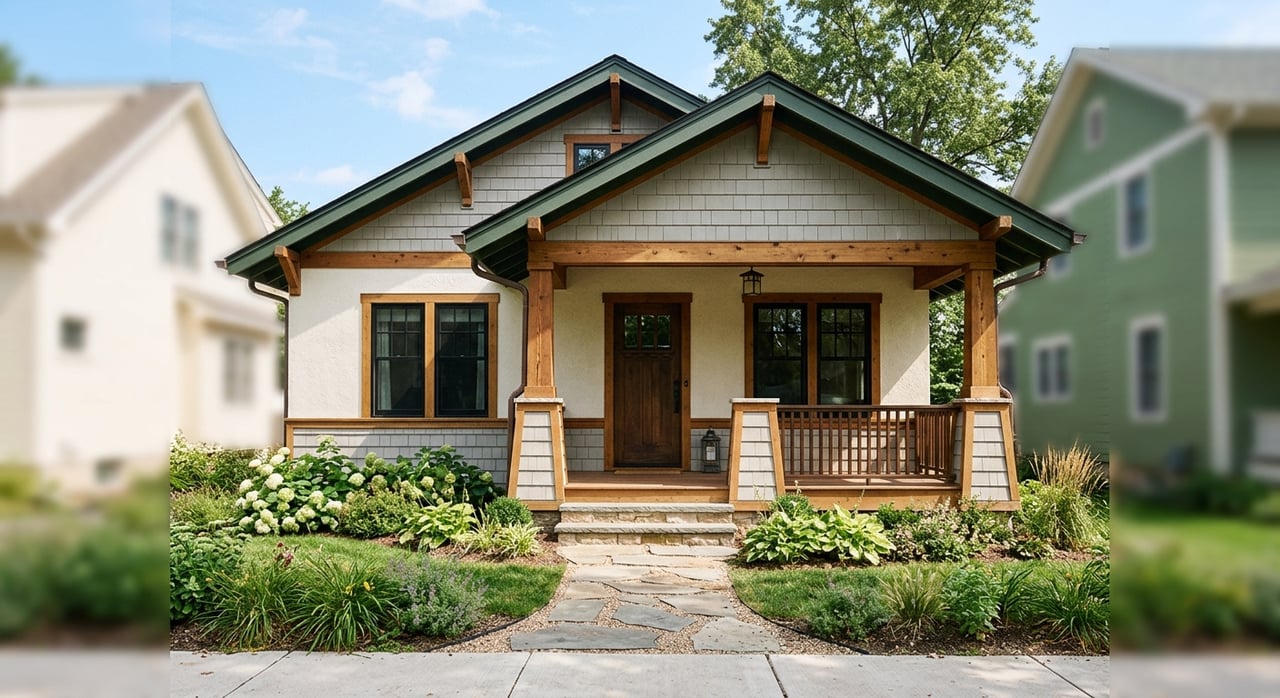
Bungalow and Craftsman homes are especially well matched to Signal Mountain’s setting. National Register documentation notes that bungalow design worked well in warmer climates because it took advantage of breezes, used large windows, and featured deep porches that acted like second living rooms during summer.
That design logic still resonates today. If you want a home that feels relaxed, usable, and connected to the outdoors, these homes often deliver exactly that. Their emphasis on porches, natural materials, and comfortable scale makes them a natural fit for mountain living.
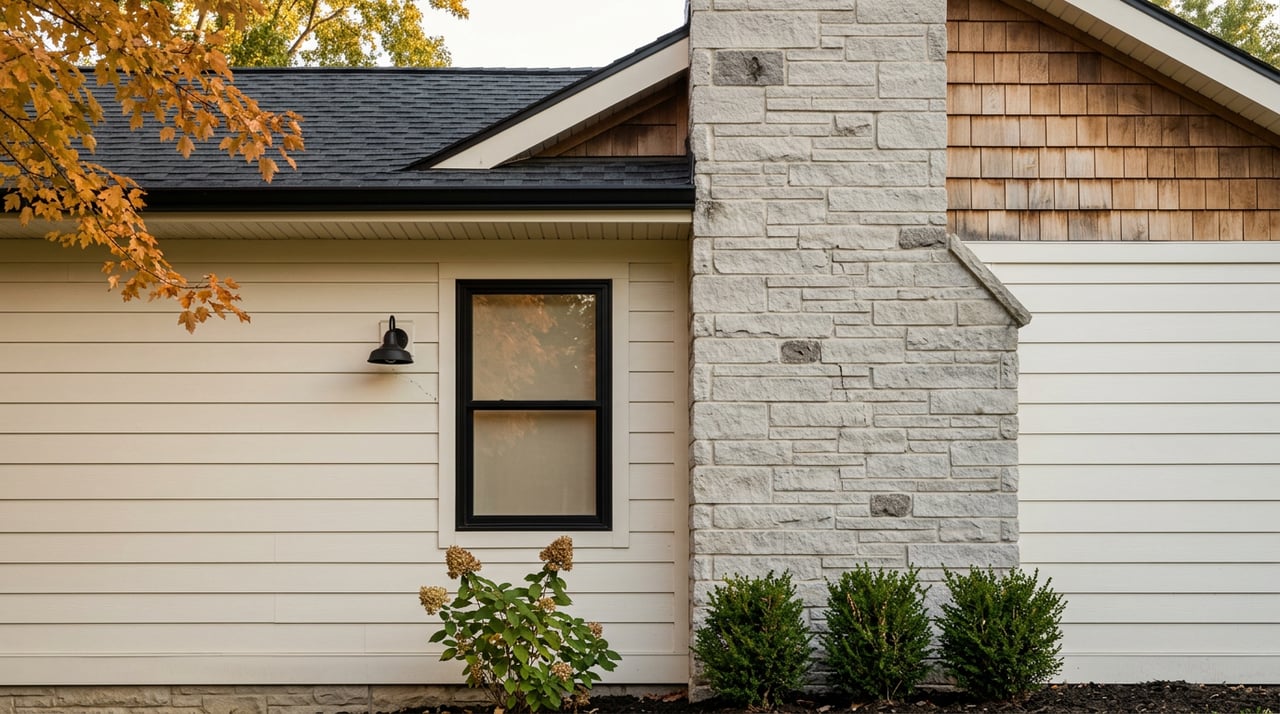
In Signal Mountain, many of these homes historically used stone, wood, and natural-color stucco. Those materials helped the houses visually blend with the surrounding environment, which remains a big part of their charm.
Tudor Revival homes bring a different kind of visual character. While the research points to Tudor Revival as one of the area’s strongest documented styles, it also places these homes within a broader neighborhood pattern shaped by curving roads, tree-filled lots, and homes spaced to preserve privacy.
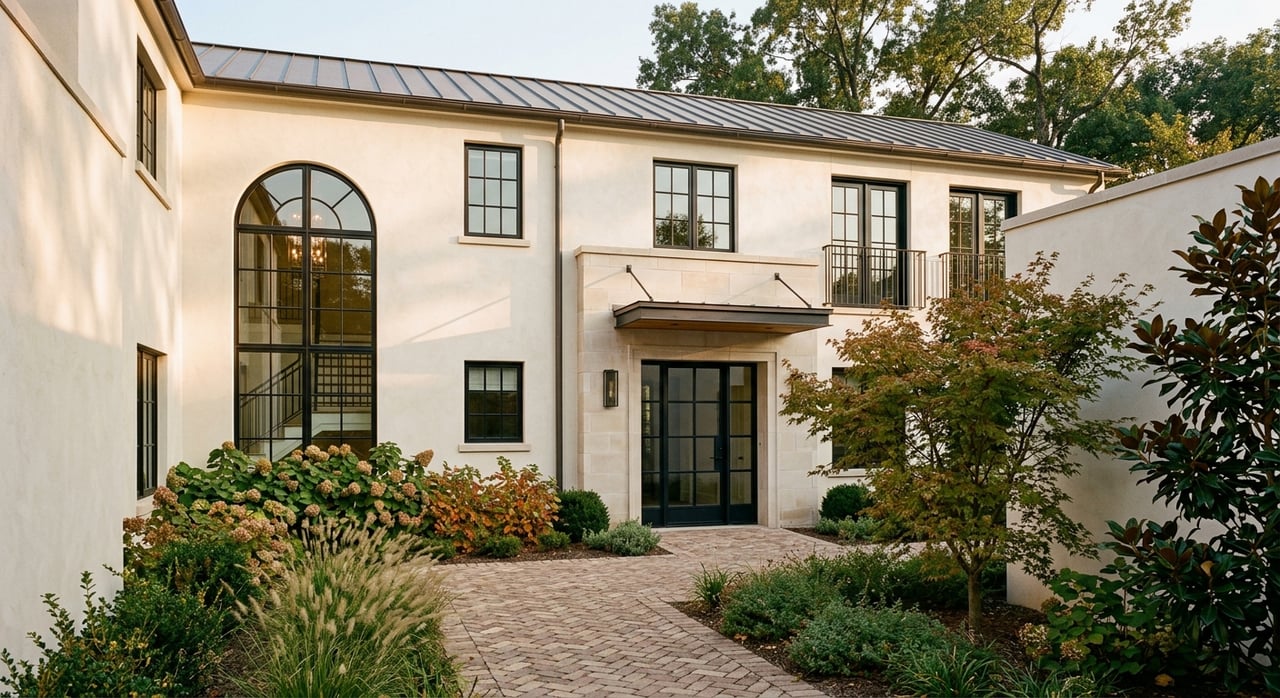
Colonial Revival, English Cottage Revival, and Spanish Colonial Revival influences also appear in the historic record. Together, these styles give Signal Mountain a layered residential feel that reflects decades of growth rather than one single building trend.
For you as a buyer or seller, that variety matters. It means home value and appeal here are often tied not just to size or updates, but also to architectural character, lot setting, and how well a home supports the local lifestyle.
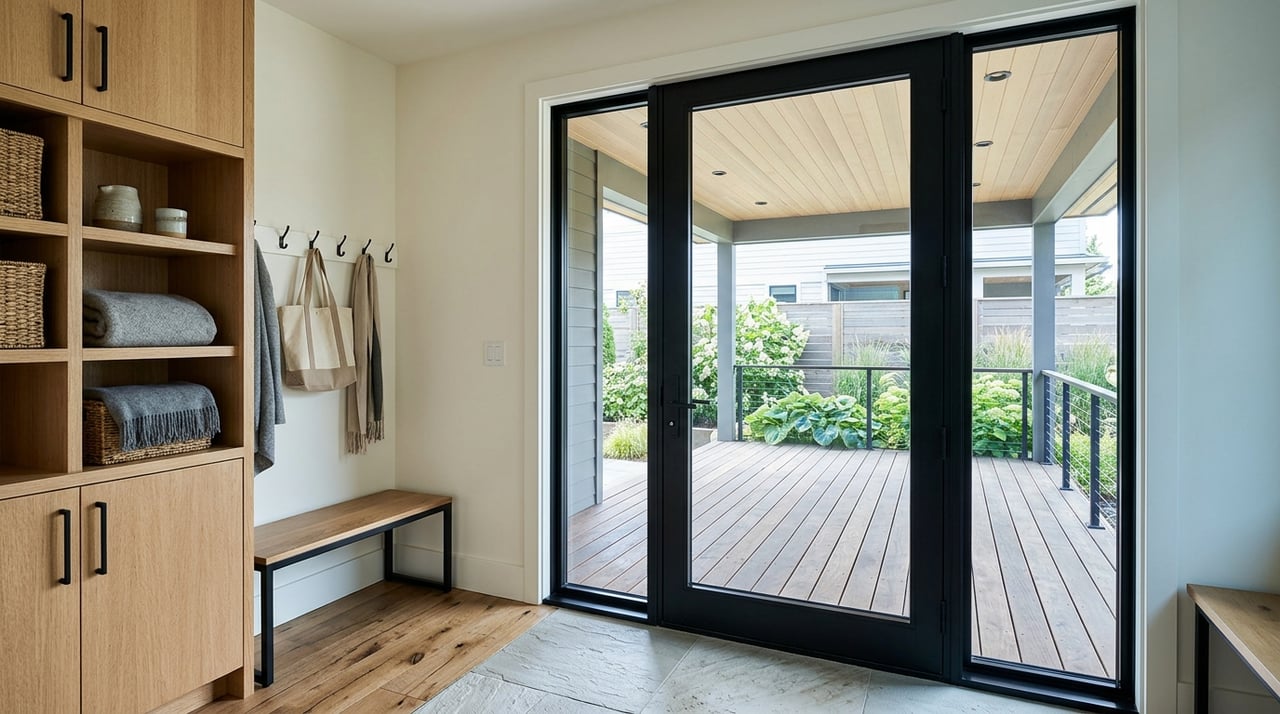
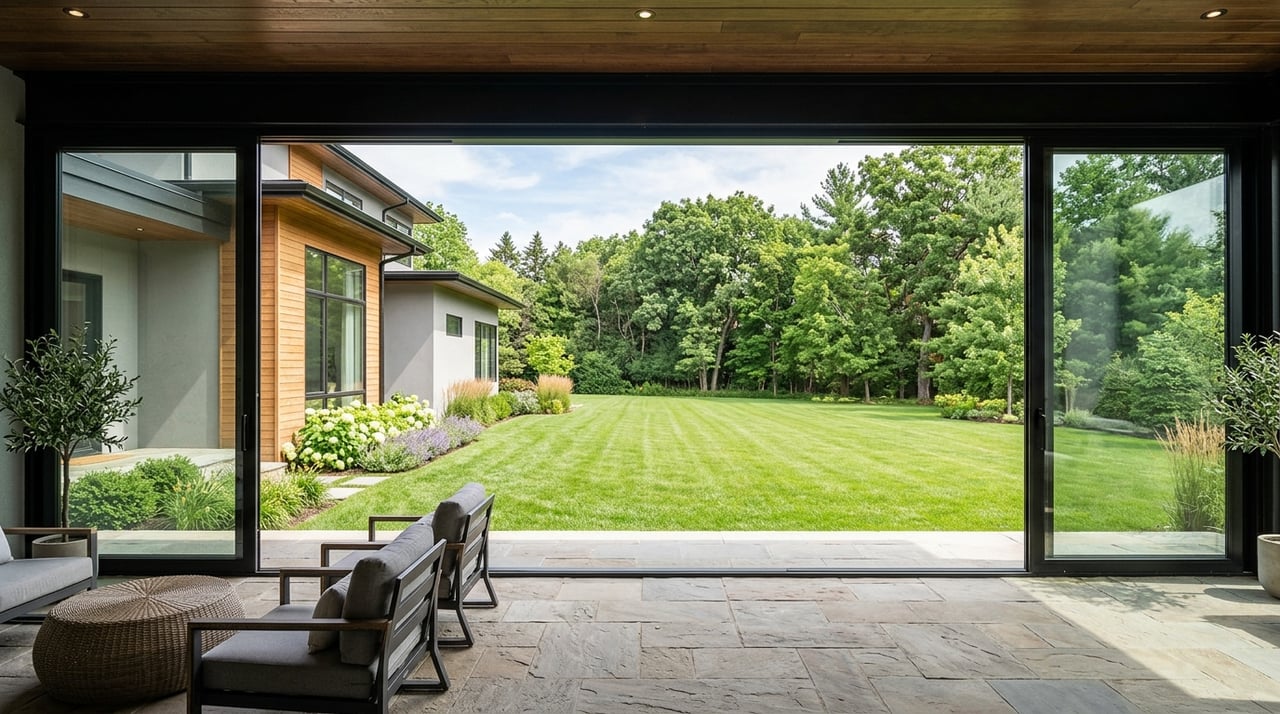
Because Signal Mountain has deep ties to outdoor recreation and scenic living, some home features tend to feel especially practical. Covered porches and screened porches offer a comfortable place to enjoy the mountain setting. Decks and patios can expand everyday living space in a way that feels natural rather than forced.
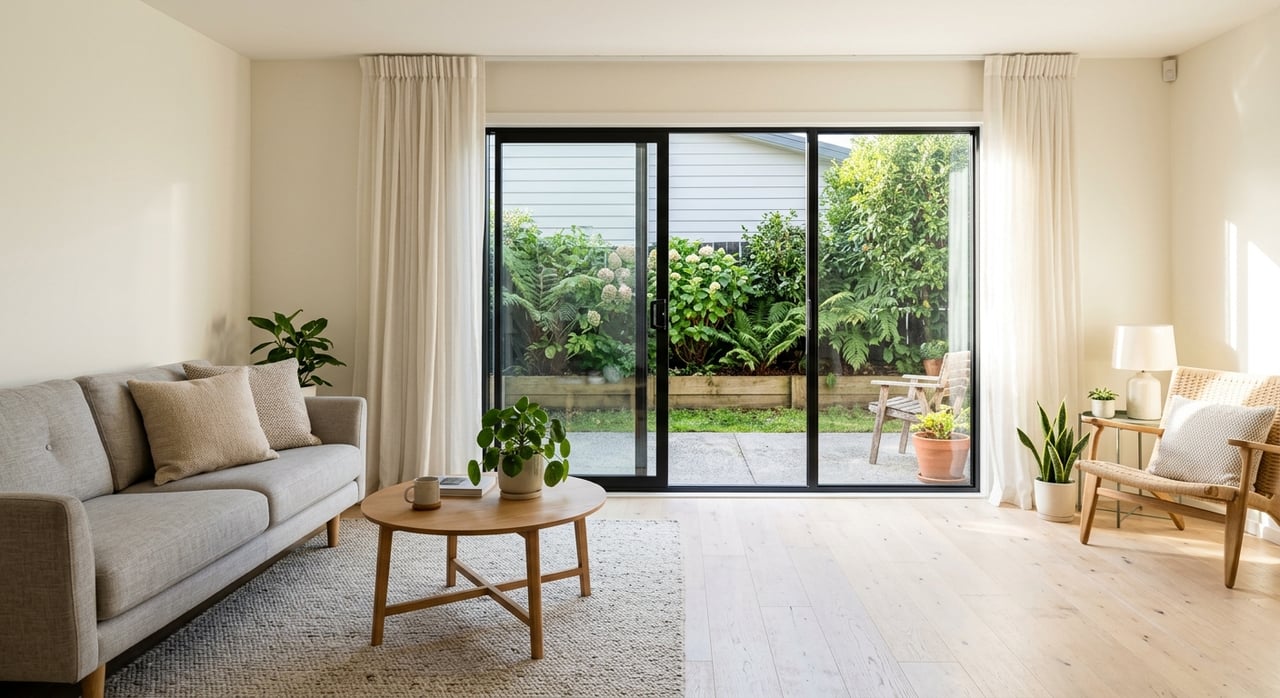
Large windows are another strong fit. In a place where trees, rock outcroppings, and changing light are part of the atmosphere, natural views often become part of the home’s design. A bright room with a strong connection to the outdoors can feel especially valuable here.
You may also notice the appeal of homes with:
These are not just trend features. They line up with the way many people use their homes in a town where time outdoors is built into weekly routines.
One of Signal Mountain’s more interesting qualities is the balance between privacy and connection. Historic district documentation describes a residential layout with gently curving roads, wide spacing between buildings, and design choices that preserved a sense of privacy while keeping residents near the mountain’s original social hub.
That balance still helps define the area today. You can look for homes with private yards, wooded surroundings, and quiet outdoor space while still valuing access to parks, trails, and community gathering spots. In other words, privacy here does not have to mean isolation.
The town also supports an active community culture through local organizations, arts programming, and civic life. Signal Mountain Playhouse and the Mountain Arts Community Center help show that this is more than a scenic place to live. It is also a place where neighbors gather and community traditions continue.
If you are shopping for a home on Signal Mountain, it helps to focus on how the property supports your day-to-day routine. A beautiful setting is important, but function matters too. The right home should make your lifestyle easier, not just look good in photos.
As you tour homes, consider questions like these:
These details can help you separate a home that is simply located on Signal Mountain from one that truly lives well on Signal Mountain.
If you are preparing to sell on Signal Mountain, your home’s connection to outdoor living may be one of its most marketable features. Buyers looking in this area are often drawn to the setting as much as the structure itself. That means thoughtful presentation matters.
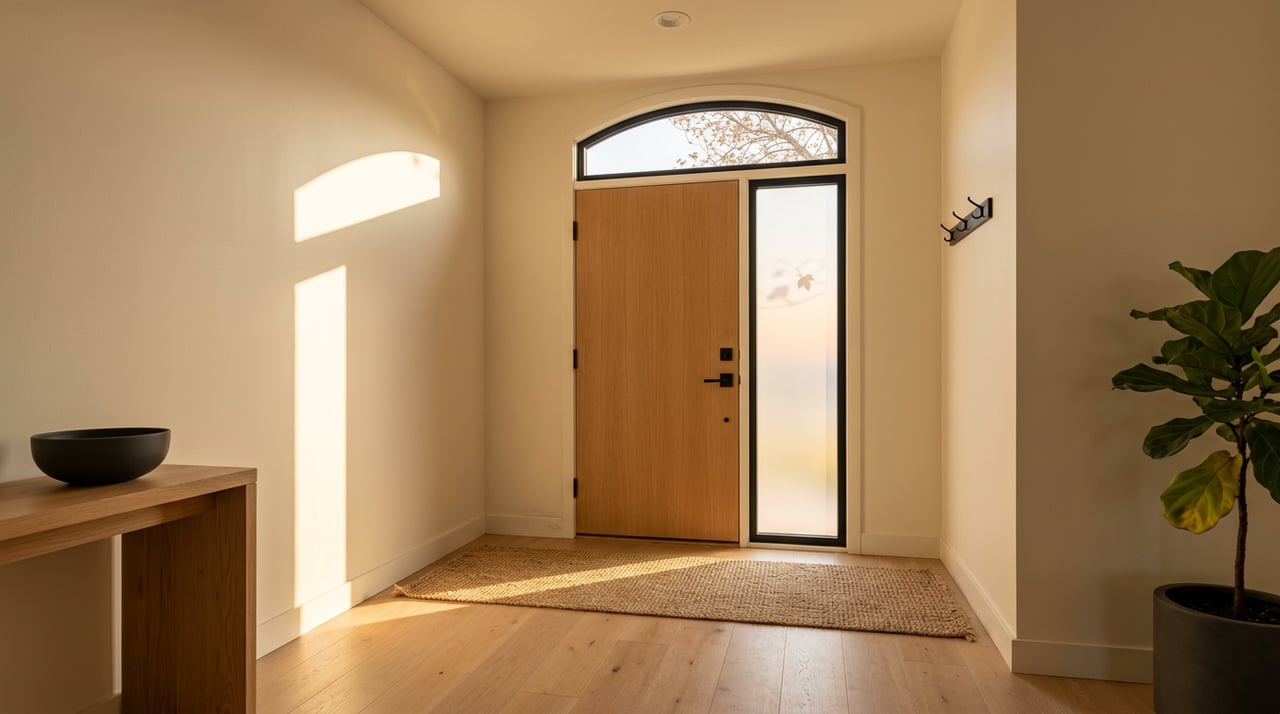
Features worth emphasizing may include porches, decks, natural views, tree-lined lots, flexible entry areas, and architectural details that reflect the home’s character. If your home has a strong indoor-outdoor flow, that story should come through clearly in marketing and showings.
This is also a place where lifestyle context can help buyers connect emotionally. A home that feels ready for morning coffee on the porch, afternoons on the trail, and evenings outside with friends fits the Signal Mountain experience in a very real way.
If you are thinking about buying or selling in Signal Mountain, working with a local expert can help you see the features that matter most in this unique mountain market. When you are ready for thoughtful, hometown guidance, connect with Deonne Taylor.
Stay up to date on the latest real estate trends.
Get assistance in determining current property value, crafting a competitive offer, writing and negotiating a contract, and much more. Contact Deonne today to discuss all your real estate needs!