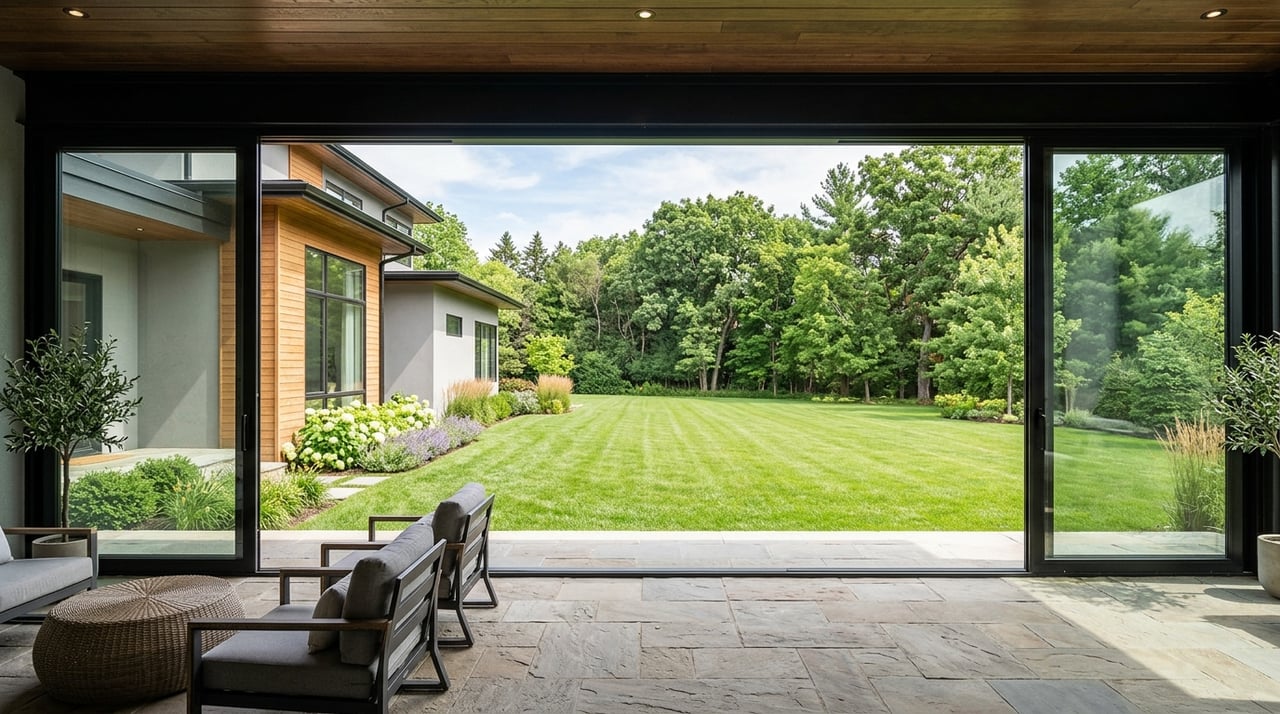
Finding The Right Lot Size In Harrison
July 2, 2026
July 2, 2026
Choosing a lot in Harrison is about more than spotting the biggest yard on a listing sheet. You want enough space for your lifestyle, but you also want to avoid paying for land that adds upkeep, limits your plans, or does not function the way you expect. If you are trying to balance privacy, maintenance, and future flexibility, understanding how lot size works in Harrison can help you buy with more confidence. Let’s dive in.
Harrison has a settled suburban feel, not a purely rural one. Census figures show 7,902 residents, 6.74 square miles of land area, a population density of 1,172.1 people per square mile, and a 69.7% owner-occupied housing rate. The median owner-occupied home value is $307,400, which helps frame what many buyers are looking for in this part of Hamilton County.
That mix means you may see both neighborhood-style lots and larger parcels during your search. Some homes sit on lots connected to sewer with smaller minimum lot sizes, while others rely on septic and need much more land. In Harrison, the right lot often depends on how you plan to live day to day, not just how much acreage sounds appealing.
One of the biggest lot-size factors in Harrison is whether a property is served by sewer or septic. Hamilton County zoning sets a 7,500-square-foot minimum for single-family lots on sanitary sewer and a 25,000-square-foot minimum for single-family lots on individual wells and septic tanks. The county also requires minimum frontage of 60 feet on sewered lots and 75 feet on septic lots.
That difference helps explain why Harrison buyers can find both compact residential lots and much larger home sites. A larger lot does not always mean extra luxury. Sometimes it simply reflects what is required for a septic system to work legally and safely.
If a home uses septic, there may also be more review involved before changes can be made. Hamilton County Development Services handles groundwater protection work to meet Tennessee standards, issues permits for new systems or changes to existing systems, and charges a lot-review fee of $150 per lot plus a $5 application fee.
It is easy to assume more land is always a win. In reality, the best lot size is the one that fits your routine, budget, and long-term plans.
A larger yard can give you more breathing room and more separation from nearby homes. It may also support goals like gardening, outdoor entertaining, a play area, or a future addition. But that extra space usually comes with extra responsibility.
University of Missouri Extension notes that mowing about once a week during the growing season is common, and proper mowing helps support deeper roots and less need for added irrigation. In practical terms, more yard often means more time behind a mower, more equipment, or more money spent on lawn care.
A large lot on paper may not translate into a large usable yard. This is one of the most important things to understand before making an offer.
Hamilton County subdivision rules say drainage easements are not counted toward septic lot area. County zoning rules also require room for the original septic system plus a full duplicate area where septic is used. That means part of a lot may be reserved for system needs and not available for future structures or major yard changes.
So if you are picturing a detached workshop, garden beds, a pool, or a future addition, do not rely on acreage alone. Instead, verify the usable footprint by reviewing the plat, easements, and septic layout.
Even on a generous lot, the buildable envelope may be smaller than you expect. Setbacks, frontage requirements, and lot-occupancy rules can reduce where you can actually place structures or improvements.
Hamilton County zoning includes yard-setback and occupancy standards in at least some districts. For example, the O-1 district requires a 25-foot front yard, 10-foot side yards, and a 25-foot rear yard. While your property may be in a different district, this shows why lot dimensions matter just as much as total size.
The shape of the lot matters too. A long, narrow lot with required setbacks may feel much smaller in practice than a slightly smaller but more functional lot with a better layout.
Not every square foot of land carries the same value for everyday use. If a property includes low spots, creek frontage, or a heavily graded backyard, you should confirm flood conditions before assuming the entire lot will serve your plans.
Hamilton County provides flood-map information for unincorporated areas and points buyers to FEMA mapping resources. In a place like Harrison, where terrain can vary from lot to lot, this step can help you avoid surprises after closing.
The best Harrison lot is not necessarily the largest one. It is the one that supports the way you want to live.
If you want lower maintenance, a smaller sewered lot may make life easier. If you value privacy or want room for outdoor projects, a larger parcel may be worth the added upkeep and planning. What matters most is making sure the lot fits both your present needs and your future goals.
Here are a few practical ways to think it through:
When you tour homes in Harrison, it helps to look beyond the marketing photos and ask targeted questions. A little extra homework can save you time, money, and frustration later.
Use this checklist as you compare properties:
Buying the right lot in Harrison comes down to clarity. You want to know what the land offers, what it requires, and how it fits your life before you commit.
That is especially important in an unincorporated area like Harrison, where lot size can vary widely and county rules play a major role in what is possible. With the right guidance, you can narrow your search to properties that truly support your goals instead of just looking good on paper.
If you are weighing lot size, septic versus sewer, or how a Harrison property may work for your next move, Deonne Taylor can help you sort through the details and find a home that fits your lifestyle with confidence.
Stay up to date on the latest real estate trends.
Get assistance in determining current property value, crafting a competitive offer, writing and negotiating a contract, and much more. Contact Deonne today to discuss all your real estate needs!