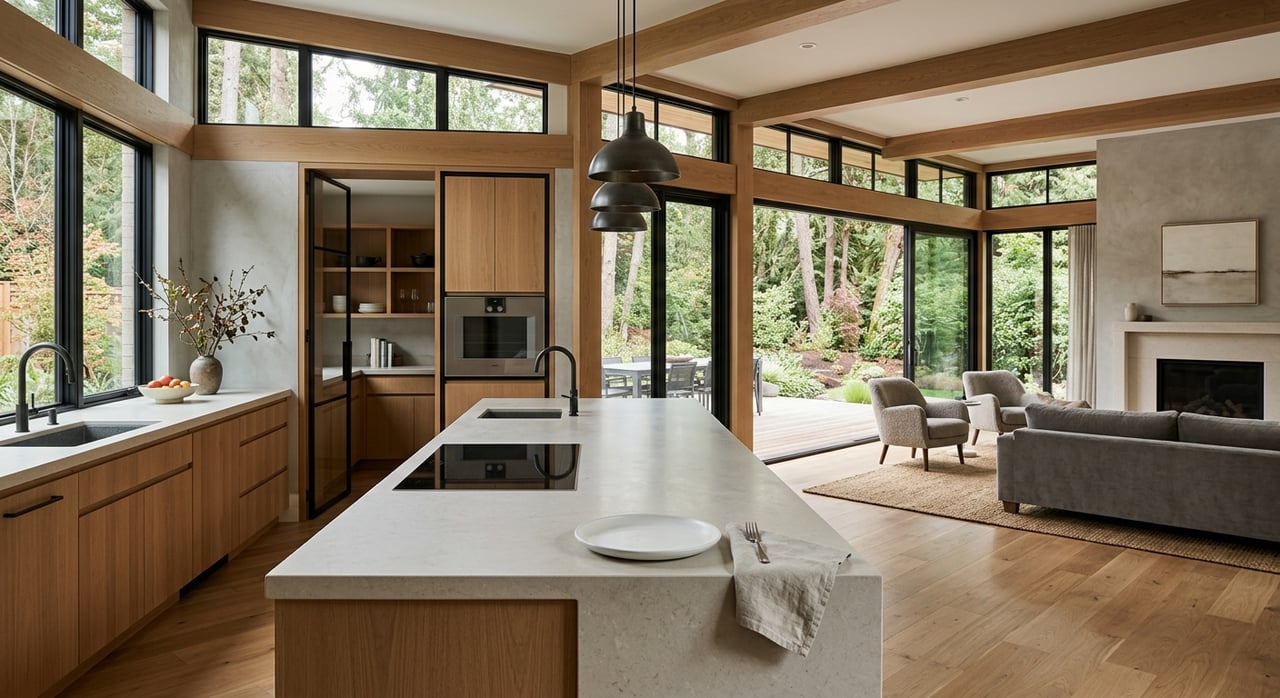
A Step-by-Step Ooltewah Home Selling Process
July 16, 2026
July 16, 2026
Selling your home in Ooltewah is not something you want to wing. In a market with hundreds of homes for sale, a mid-$400,000s price band, and homes taking around two months to sell, the details matter. If you want a smoother sale and stronger results, you need a clear plan from day one. This step-by-step roadmap will show you how to prepare, price, launch, and close with more confidence. Let’s dive in.
Before you pick a list date, get grounded in what the Ooltewah market is doing right now. As of mid-2026, local data shows a market with meaningful inventory, median listing prices around $495,000, median sale prices around $439,687, and homes spending roughly 54 to 62 days on market.
That tells you something important. Ooltewah is not a market where you can simply list and assume instant offers. It is also not so slow that presentation does not matter. A smart seller treats pricing, timing, and first impressions as part of one strategy.
Your launch month matters because the first few weeks on market tend to shape the rest of your sale. Realtor.com’s 2026 research says the first four weeks are the make-or-break window for pricing, presentation, and buyer feedback.
If you are hoping to sell during a spring window, start earlier than you think. Prep work takes time, and rushing can lead to missed repairs, weak photos, or incomplete paperwork.
The first step is getting clear on your timeline, goals, and likely net proceeds. You may be moving up, relocating, downsizing, or simply testing whether this is the right time to make a move.
This is where a step-by-step plan helps. You want to look at recent local market conditions, think through your ideal closing window, and build in time for prep, showings, inspections, and closing.
A well-priced home in Ooltewah may go pending in about 7 to 9 weeks based on current local days-on-market trends. Still, your full selling timeline is usually longer once you add prep time, negotiations, inspections, financing, and final closing steps.
If you need to coordinate a job move, school-year transition, or purchase of your next home, work backward from your ideal closing date. That gives you room to make better decisions instead of last-minute ones.
Most successful home prep is not flashy. It is the practical work that helps buyers focus on the home itself instead of distractions.
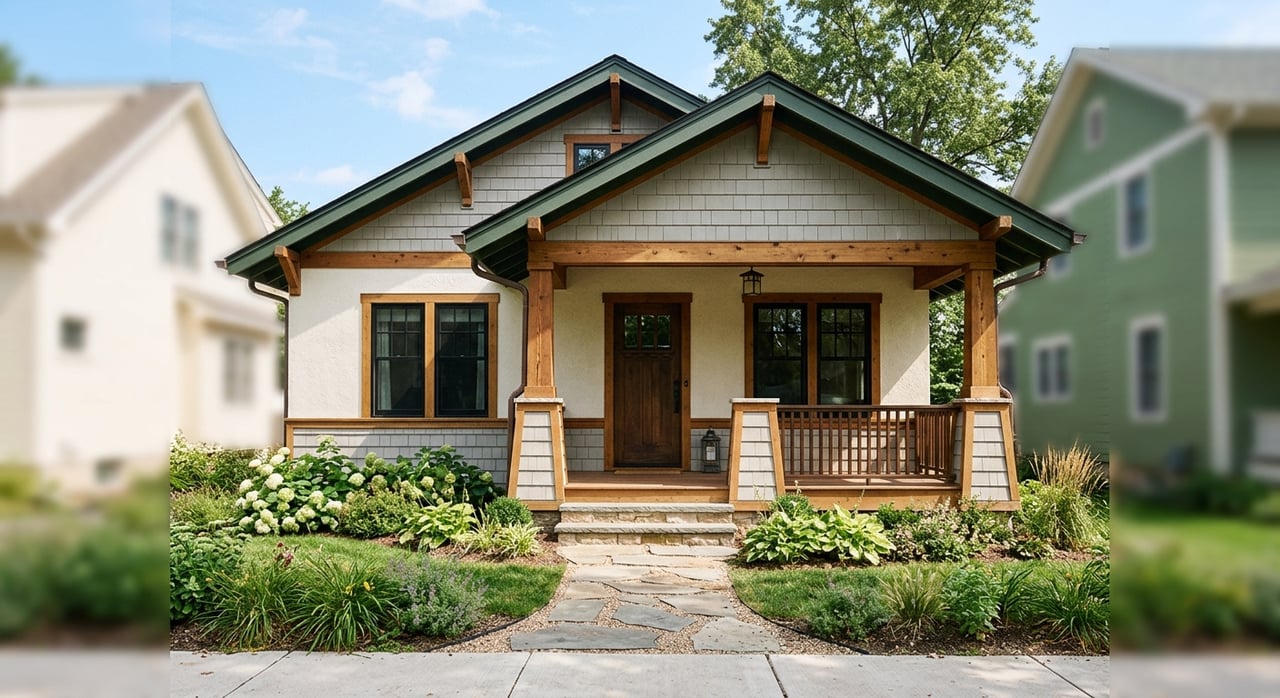
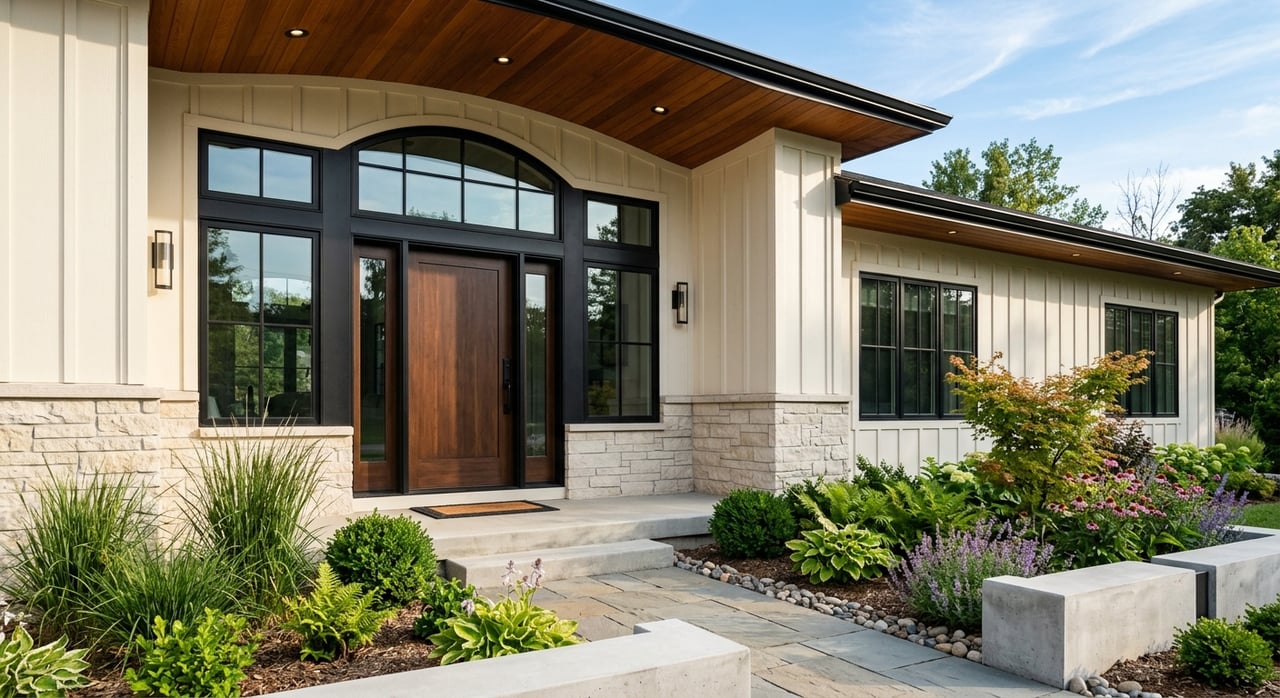
According to the 2025 staging survey from the National Association of Realtors, the most commonly recommended steps were decluttering, deep cleaning, and improving curb appeal. Those simple tasks can make your home feel more cared for, more spacious, and more move-in ready.
Start with the items that have the widest impact:
These steps help your home show better both online and in person. They also make staging and photography more effective.
If your home has had major work done, it is wise to verify whether permits were needed and completed. Hamilton County’s building inspection department notes that permits are generally required for new construction, alterations, additions, or repairs in the areas it regulates, with some finish work exempt.
This matters if you have completed projects such as roofing, electrical, plumbing, or additions. Sorting through that before listing can help reduce surprises once a buyer starts asking questions.
One of the easiest ways to create delays is to wait too long on disclosures. In Tennessee, most 1- to 4-unit residential sales require the seller to provide either a disclosure statement or a disclaimer before a purchase contract is accepted.
That paperwork is important, but it is not a warranty. Buyers may still choose to have professional inspections, so it helps to be organized and upfront from the beginning.
Depending on your property, Tennessee law may require disclosures related to:
If your property is part of a planned unit development, buyers may also want access to documents such as covenants, bylaws, or the master deed.
If your home was built before 1978, federal lead-based paint disclosure rules may apply. Sellers of most pre-1978 housing must disclose known lead-related information before the sale and provide the required lead-hazard pamphlet. Buyers also receive a 10-day opportunity to conduct a lead inspection or risk assessment.
It is smart to gather those documents early so they do not slow down your contract timeline.
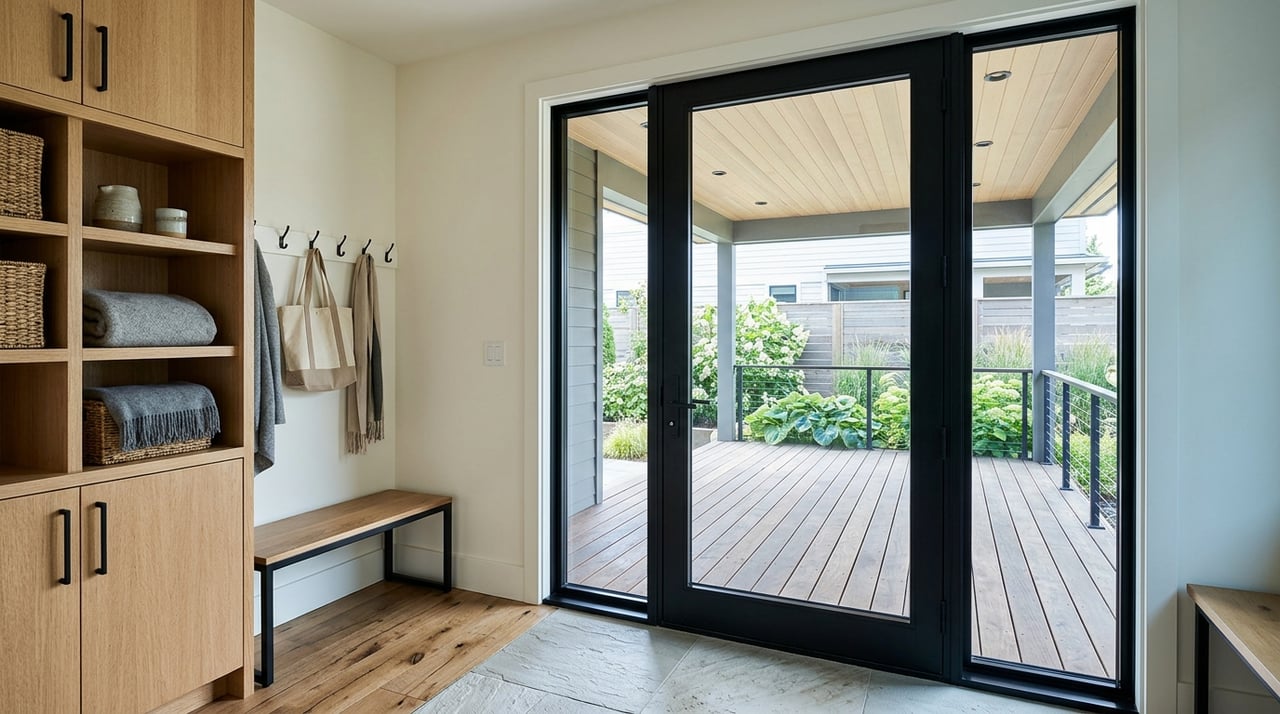
Once the home is clean, repaired, and disclosure-ready, it is time to prepare for market. This is where strong presentation pays off.
NAR’s 2025 survey found that staging can help reduce time on market, and many agents reported that it can increase the dollar value buyers offer. The same report found that buyers place strong importance on listing photos, with video and virtual tours also influencing interest.
Buyers often meet your home online before they ever step inside. If your listing launches with polished photos, a clean layout, and a well-prepared home, you have a better shot at capturing attention while the listing is still fresh.
In Ooltewah, where current market pace is active but not instant, that fresh-listing window matters. A slow start can make it harder to hold pricing power later.
After your home goes live, the next phase is all about consistency. Keep the home as show-ready as possible, stay flexible with showing requests, and pay close attention to feedback in the first few weeks.
This is not the time to disengage. Since the first month is such a key period, early response to buyer comments can help you adjust before your listing starts to feel stale.
Pay attention to a few simple signals:
If buyers are looking but not offering, something may need to change. In many cases, the issue is not one big problem but a mix of price, condition, and presentation.
When offers come in, it is easy to focus only on price. But your best offer is the one that gives you the strongest overall path to closing.
You will want to look at financing strength, inspection terms, requested concessions, timing, and how each offer fits your moving plan. A slightly lower offer with cleaner terms can sometimes be the stronger choice.
Once you are under contract, the transaction shifts from marketing to execution. Buyers may schedule inspections, and if they are financing the purchase, the lender’s timeline becomes a major part of the process.
Tennessee’s disclosure law makes clear that disclosures do not replace inspections. Even if you have been thorough, buyers may still bring in inspectors to evaluate the property.
After contract acceptance, common next steps include:
If the buyer is using a mortgage, the lender must provide the Closing Disclosure at least three business days before closing. That built-in timing requirement is one reason closings can take longer than sellers expect.
Your sale price is not the same as your net proceeds. Before closing, it helps to understand how taxes, prorations, payoffs, and recording-related charges can affect your bottom line.
Hamilton County’s Assessor of Property provides appraised parcel values, while the county or city legislative body sets the property tax rate. Hamilton County announced a certified property tax rate of $1.51 per $100 of assessed value for fiscal year 2026, which can affect prorations and planning.
At closing, the Hamilton County Register of Deeds records deeds and collects applicable fees and taxes. Tennessee’s recordation tax includes a realty transfer tax of 37 cents per $100 of value and an indebtedness tax of $0.115 per $100 of indebtedness, minus the first $2,000.
That is why sellers should review estimated proceeds carefully. Mortgage payoff amounts, prorated taxes, and closing charges all shape what you actually walk away with.
If you like to think in checklist form, here is the road map at a glance:
A step-by-step plan helps you stay ahead of the parts of the sale that tend to create stress. It also helps you protect the most important window of your listing, which is the opening stretch when buyers are paying the closest attention.
If you are getting ready to sell in Ooltewah, a local strategy can make the process feel a lot more manageable. For personalized guidance and full-service marketing support, connect with Deonne Taylor.
Stay up to date on the latest real estate trends.
Get assistance in determining current property value, crafting a competitive offer, writing and negotiating a contract, and much more. Contact Deonne today to discuss all your real estate needs!