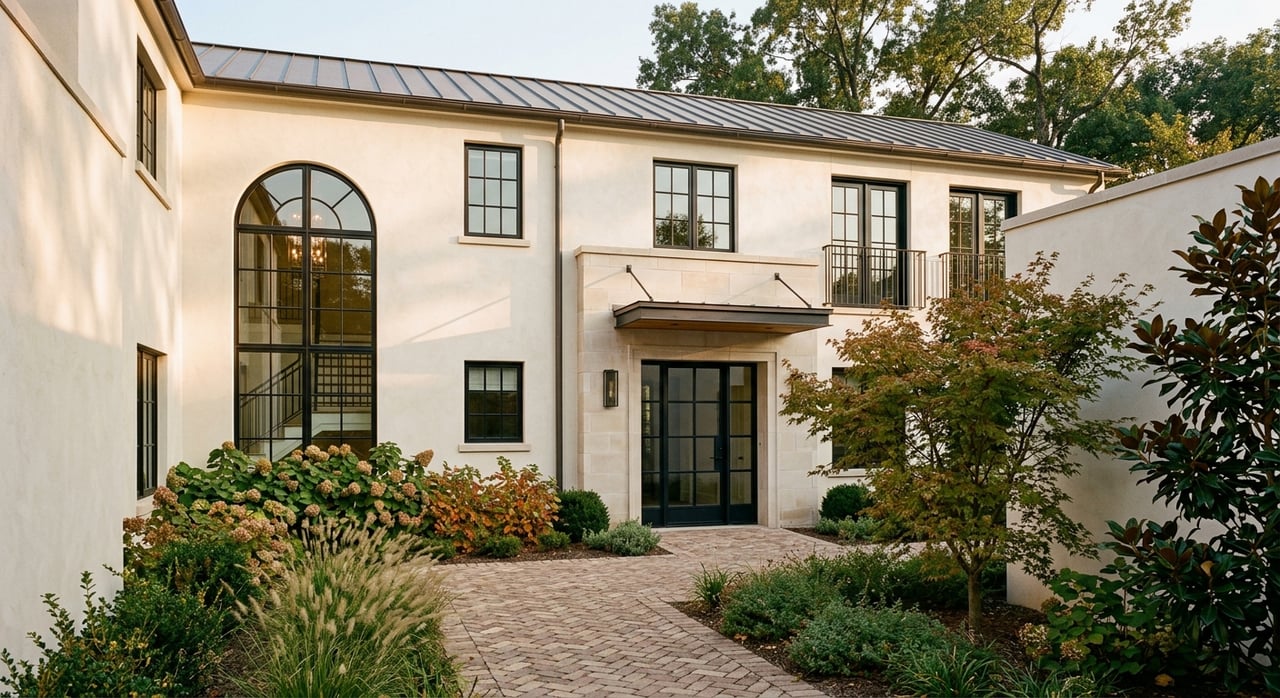
Northshore Condos vs Houses for Your Lifestyle
July 23, 2026
July 23, 2026
If you’re torn between a condo and a single-family home in Northshore, you’re not alone. This part of Chattanooga offers riverfront access, walkability, and a housing mix that can make both options feel appealing in very different ways. The good news is that once you compare price, maintenance, parking, and daily lifestyle, the right fit usually becomes much clearer. Let’s dive in.
Northshore is Chattanooga’s riverfront North Shore district, connected to downtown by four bridges, including the Walnut Street Bridge. The area also offers access to the Tennessee Riverwalk, Coolidge Park, and Renaissance Park, which adds a lot to day-to-day convenience and recreation.
The housing mix includes bungalows, Craftsman homes, and modern builds. That variety is part of what makes Northshore so appealing, but it also means your decision between a condo and a single-family home should be based on how you want to live, not just what looks good online.
In Northshore, there is a noticeable price gap between condos and detached homes. Homes.com reports a neighborhood median home price of $529,000, with a median single-family sale price of $592,250 and a median condo price of $442,450.
That spread matters if you are trying to balance location with monthly costs. A condo can offer a lower entry point into Northshore, while a single-family home typically comes with more space and a larger lot.
Here’s a quick look at the numbers:
| Property Type | Median Price |
|---|---|
| Northshore overall | $529,000 |
| Single-family home | $592,250 |
| Condo | $442,450 |
Condo pricing also varies a lot by size. Reported median prices show about $242,000 for a 1-bedroom condo, $445,000 for a 2-bedroom condo, and $635,000 for a 3-bedroom condo. That means some larger or premium condos can overlap with the lower end of house pricing, so it is smart to compare value carefully rather than assume condos are always the cheaper option.
For many buyers, the biggest draw of a Northshore condo is convenience. If you want a more compact home near parks, riverfront paths, and downtown access, a condo may check a lot of boxes.
Under Tennessee’s Condominium Act, the association is responsible for maintenance, repair, and replacement of the common elements, while you as the owner are responsible for your unit itself. In practical terms, that can reduce some of the exterior upkeep that comes with owning a detached home.
Condo buildings may also include features that shape your day-to-day experience. Current listing examples in Northshore show amenities like secure entry, gated and assigned parking, and concierge services. Those features can be attractive if you value lock-and-leave ease or want more built-in structure around maintenance and access.
A single-family home usually offers more space and more control. In Northshore, Homes.com reports an average single-family home size of 2,418 square feet and a median lot size of 7,405 square feet, which gives you a sense of the footprint many detached homes provide.
That extra room can matter if you want a yard, more storage, or a private garage. It can also help if your household needs more flexibility for guests, hobbies, or working from home.
The tradeoff is responsibility. With a single-family home, you are generally responsible for repairs and maintenance, from small fixes to larger items like roof replacement, along with taxes, insurance, utilities, and ongoing upkeep costs.
One of the biggest condo-versus-house questions is what you want your monthly costs to cover. Condo owners often pay HOA or condo fees directly to the association, and those fees can cover shared expenses that would otherwise fall on you individually.
In Northshore, one condo example at 4 Cherokee Blvd lists a $546 monthly HOA fee that includes gas, water, sewer, trash, and pest control. That does not mean every condo fee covers the same items, though. Each building can be different, so you need to read what is included before comparing one listing to another.
With a single-family home, you usually do not have a condo association handling those shared items. That can mean fewer recurring association costs, but you take on more direct responsibility for repairs, services, and replacements over time.
Northshore’s walkability is a real advantage. You can access downtown by bridge, use the Tennessee Riverwalk, and take advantage of the free electric shuttle. That can make condo living especially attractive if you want to be close to restaurants, parks, and riverfront amenities without relying on your car for every outing.
Still, parking matters in Northshore. The CARTA North Shore Garage is located at 345 Frazier Avenue, on-street meters have a two-hour limit, and a $25 weekend pass covers metered street parking plus CARTA-owned lots and garages. The Northshore Express Shuttle runs Thursday through Sunday, and riders can park at either CARTA garage and ride back and forth.
When you compare listings, parking can be one of the biggest lifestyle differences. Condo examples in the area advertise features like one reserved garage parking space, secure entry, and two covered garage spaces, while a single-family listing at 388 Harper St includes a two-car garage. In simple terms, condos may offer convenience and security, while houses often give you more private control and easier day-to-day loading, unloading, and guest parking.
If your priority is low-maintenance living and a walkable location, a condo may be the better fit. Northshore’s connection to Coolidge Park, Renaissance Park, the Riverwalk, and downtown creates a lifestyle where being close to the action can matter as much as square footage.
Coolidge Park alone adds a lot to the neighborhood experience, with river views, a splash pad, rock climbing walls, and a restored carousel. The Chattanooga Riverwalk also runs 16 miles along the Tennessee River, which gives residents easy access to outdoor space and scenic routes.
If your priority is more room, a yard, a private garage, and fewer association rules, a single-family home will often make more sense. That is especially true if you are thinking long term and want a home that offers flexibility as your needs change.
List price is only part of the story in Northshore. Two homes with similar prices can offer very different value depending on building fees, parking, storage, and how close they are to the bridge, parks, and Frazier Avenue.
When you compare a condo and a single-family home, focus on these details:
These factors shape your monthly budget and your daily routine. They are often just as important as the asking price.
If you are still deciding, try picturing your normal week instead of your dream weekend. Think about how often you want to handle maintenance, how much space you really need, where you park, and whether walkability would improve your routine.
In Northshore, condos often appeal to buyers who want convenience, shared amenities, and easier access to the neighborhood’s riverfront lifestyle. Single-family homes often appeal to buyers who want more space, more privacy, and more control over the property.
The right choice is not about which option is better on paper. It is about which one supports the way you want to live in Northshore now and in the years ahead.
If you want help comparing Northshore condos and single-family homes side by side, Deonne Taylor can help you look past the listing photos and focus on what really fits your goals.
Stay up to date on the latest real estate trends.
Get assistance in determining current property value, crafting a competitive offer, writing and negotiating a contract, and much more. Contact Deonne today to discuss all your real estate needs!