Torn between the ease of a brand‑new home and the charm of an established one in Ooltewah? You are not alone. With steady growth in eastern Hamilton County, you will see both new subdivisions on the town’s edges and inviting resale homes closer to the historic center. This guide breaks down real costs, timelines, warranties, and neighborhood tradeoffs so you can choose with confidence. Let’s dive in.
New construction: What you get
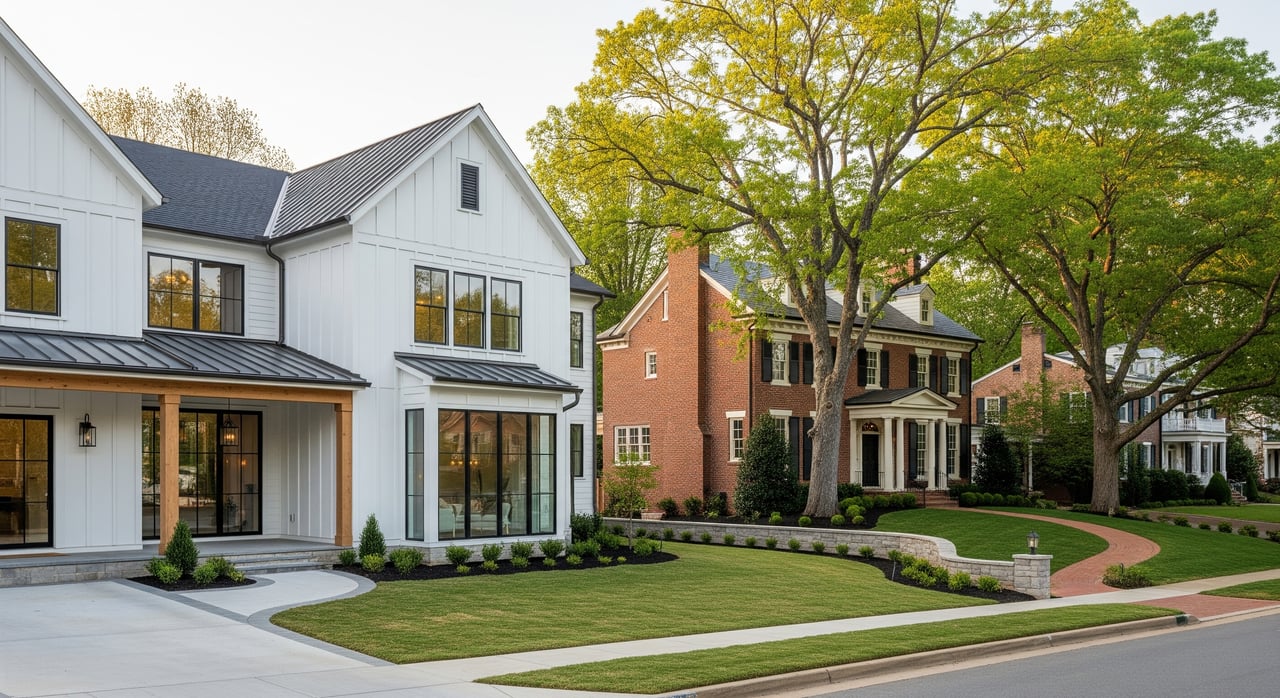
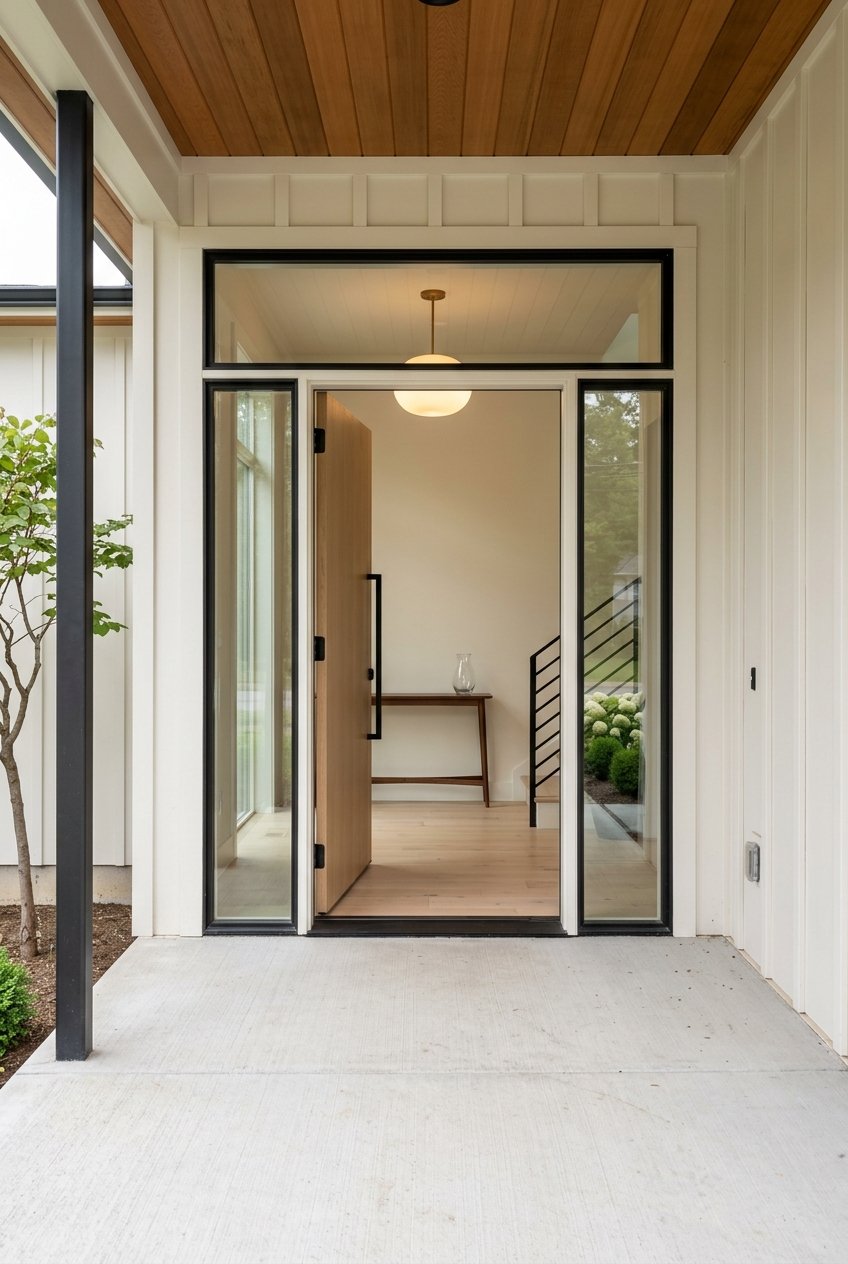
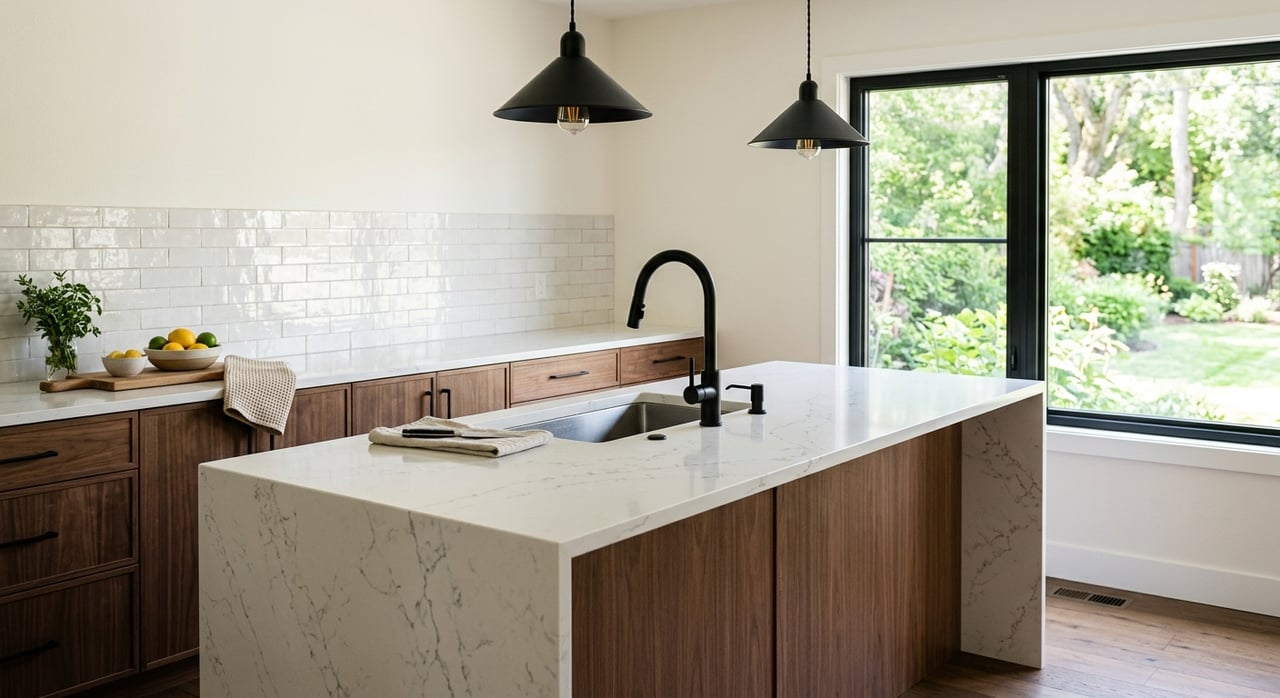
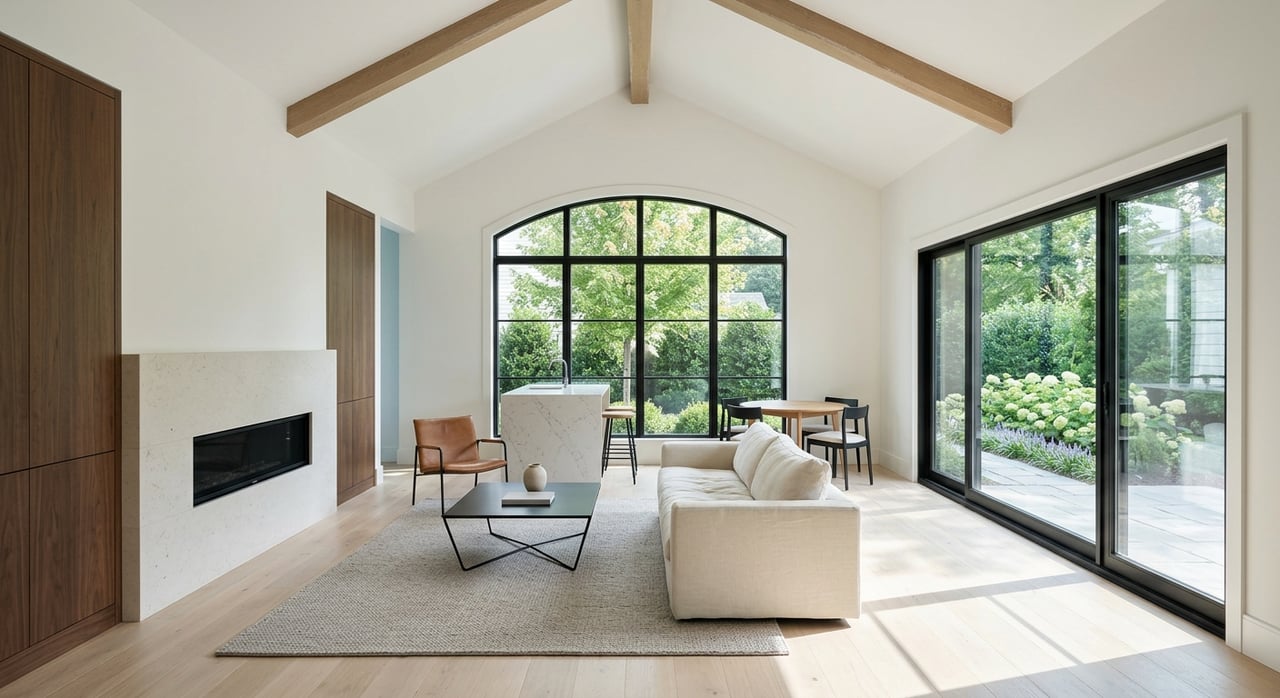
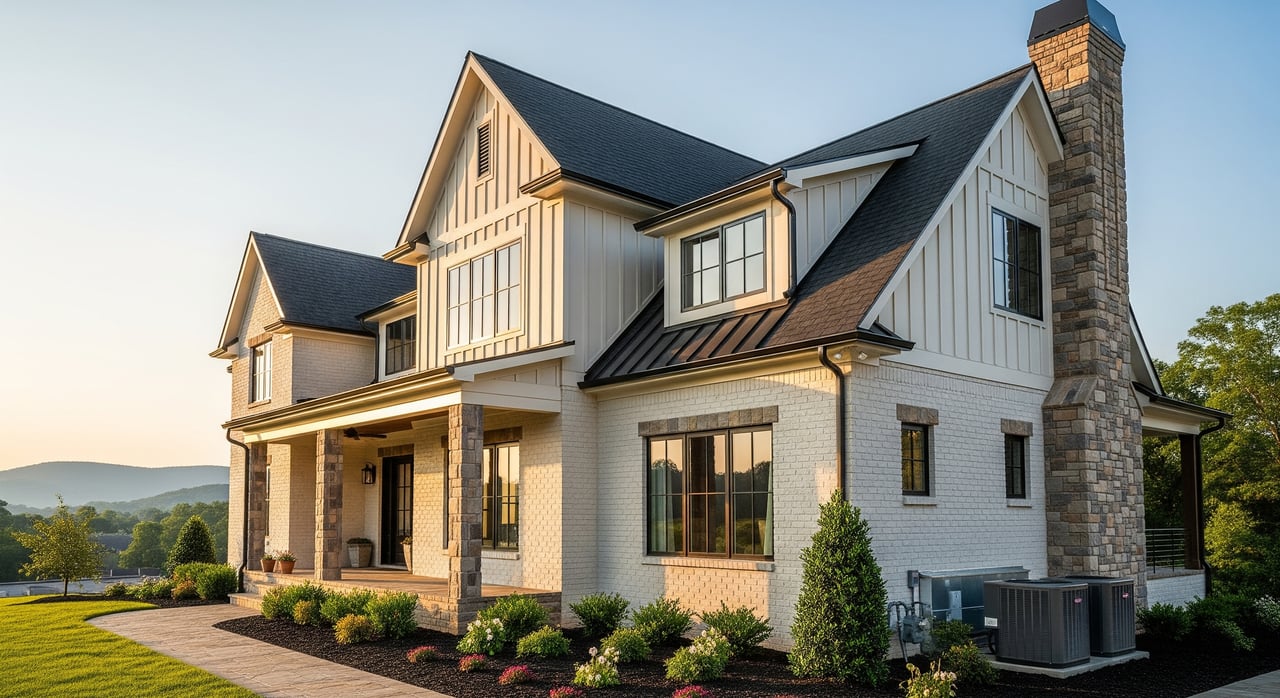
New construction in Ooltewah often appears in master‑planned subdivisions or on greenfield sites at the edges of town. Buyers are drawn to modern layouts, energy‑efficient systems, and the ability to choose finishes.
- Modern floor plans, open kitchens, and updated storage solutions
- New systems that can reduce near‑term maintenance
- Energy performance aligned with current codes, which can lower utilities
- Options to select finishes or purchase a completed spec home
You should also plan for a price premium compared with many resales in the same submarket. Upgrade selections and allowances can push the total higher than the base price.
When new construction shines in Ooltewah
- You want modern systems and short‑term maintenance relief.
- You value customization and can wait for a longer build timeline.
- You are comfortable with subdivisions that may be farther from existing services until later phases.
Resale homes: What you get
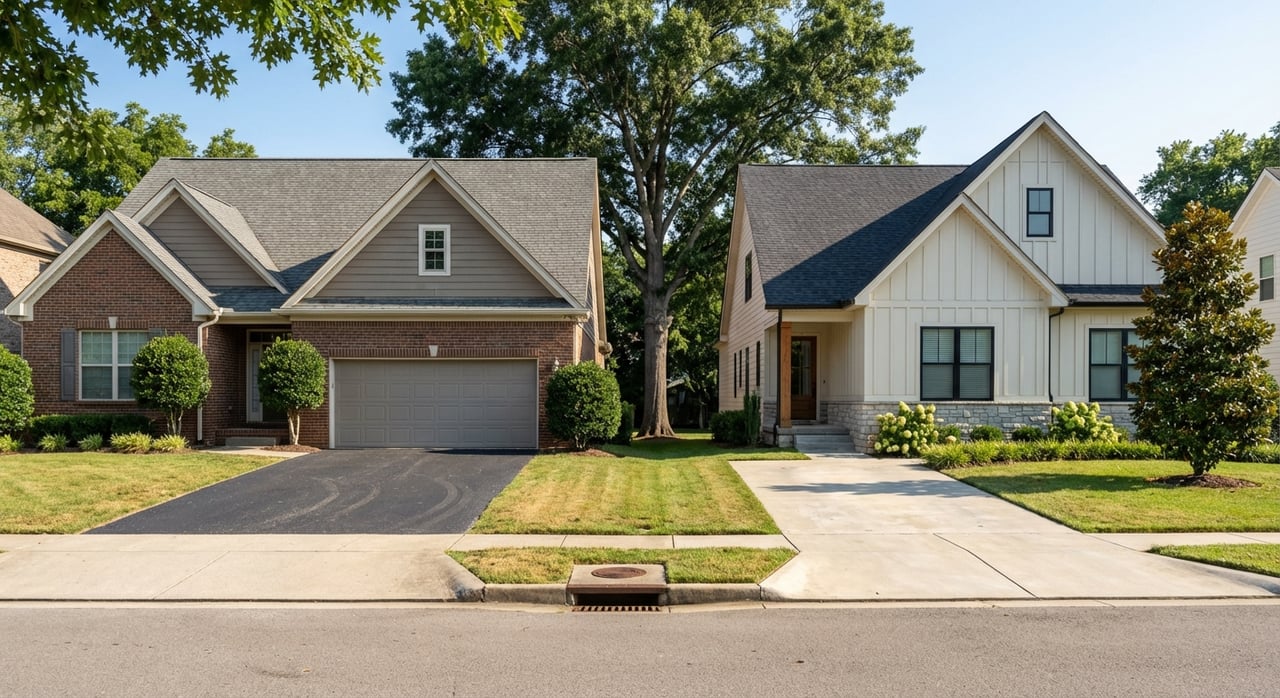
Resale inventory in Ooltewah tends to cluster near the historic town center, existing schools, and along older arterial roads. Many buyers choose resale for location benefits and mature landscaping.
- Closer to established amenities and shorter commutes in some cases
- Mature trees and established yards that are hard to replicate
- Often a lower initial price per square foot, depending on condition
- Faster move‑in if the home is move‑in ready
Resale homes can require more near‑term maintenance or updates, and energy performance varies widely by age and upgrades. A thorough inspection is essential.
When resale shines in Ooltewah
- You prioritize location, mature neighborhoods, and quicker move‑in.
- You want character or larger, established lots where available.
- You have a renovation budget or prefer a well‑updated older home.
Costs: Price, upgrades, and hidden line items
Price per square foot often runs higher for new builds because you are paying for new systems, modern design, and builder margins. Resale prices vary more based on condition, recent upgrades, and lot features.
- New construction
- Premium per square foot is common and varies by builder, finishes, and lot.
- Upgrades and allowances can add 5 to 25 percent or more to the base price.
- Soft costs can include landscaping, window treatments, HOA initiation, impact or utility tap fees, and higher carrying costs if the build runs several months.
- Resale homes
- Inspection findings may reveal repair needs such as roof, HVAC, plumbing, or electrical.
- Very old homes might need specialized assessments.
- If you plan to remodel, include a contingency for updates and possible permit timelines.
Long‑term ownership costs
- New homes typically offer lower near‑term maintenance and better energy performance if they meet current code. Over time, maintenance costs rise with age and materials quality.
- Resale homes can be more economical up front but may require early repairs or upgrades. Renovations can create value, but they require capital and planning.
Timeline: Move‑in speed and common delays
Your timing needs often drive the decision.
- Spec home (completed or near‑completed): typically closes in about 30 to 45 days once lending and title work are complete.
- Build‑to‑order: plan for roughly 6 to 12 months or longer from contract to closing, depending on permitting, site work, selections, and weather.
- Resale: standard closing timelines are similar to a spec home; add extra time if you plan immediate renovations after close.
Common delays for new construction include permitting, site prep, weather, material or appliance availability, subcontractor scheduling, lender draw processing, and HOA architectural reviews. For resale, delays often stem from inspection repairs, appraisal issues, or title complications.
Warranties, upgrades, and quality checks
Most production builders follow a tiered warranty model, often 1 year for workmanship, 2 years for major systems, and 10 years for structural items. Coverage varies by builder and warranty provider, so ask for the full contract and review exclusions, claim deadlines, and transferability.
New construction still benefits from independent inspections. If you can, schedule a pre‑drywall inspection, a final walk‑through with a punch list, and a post‑closing inspection near the end of the warranty period. For resale, a comprehensive home inspection and any recommended specialty inspections are important.
When it comes to energy efficiency, ask the builder about performance data such as HERS scores or Energy Star certification if available, and request utility estimates. For resale, utility bills and recent upgrade history can help you estimate operating costs.
Lot and location tradeoffs in Ooltewah
Lot size and character vary across Ooltewah. Some new developments aim for larger suburban lots, while others increase density to control costs. Established neighborhoods may offer bigger yards with mature trees and more privacy.
- Topography matters. Eastern Hamilton County includes hills and creeks. Slope affects site work and drainage.
- Flood and drainage. Some parcels fall within flood zones. Review FEMA flood maps, county GIS, and any elevation certificates if available. Flood insurance may be required for certain loans.
- Proximity to services. New subdivisions on the fringe can be farther from existing amenities until later phases. Established areas closer to the town center often mean shorter trips.
- HOA considerations. Many new subdivisions have HOAs with architectural controls and amenities. Fees and rules vary. Established neighborhoods may or may not have an HOA, which can affect flexibility and community standards.
Financing differences you should know
Financing can look different between the two paths.
- New construction
- You may need a construction loan or a construction‑to‑permanent mortgage. These can require larger down payments and interest‑only payments during the build.
- Closing involves draw schedules and milestone inspections. Confirm how lender timelines and builder schedules align.
- Resale
- Conventional, FHA, VA, and USDA loans are common.
- Renovation options like FHA 203(k) or Fannie Mae HomeStyle can roll update costs into your mortgage.
Your closing timeline, temporary housing needs, and carrying costs will vary by financing choice, so it helps to plan early.
How to choose: A simple decision guide
Use these prompts to align the choice with your goals:
- Your timeline
- Need to move within 30 to 60 days? Look at resale or completed spec homes.
- Comfortable waiting 6 to 12 months? Build‑to‑order could fit.
- Your budget
- Want the lowest initial purchase price per square foot? Resale might win, depending on condition.
- Prefer new systems with fewer near‑term repairs? New construction can reduce early maintenance costs but may carry upgrade premiums.
- Your location priorities
- Want to be closer to established amenities? Resale areas near the town center may be better located.
- Prefer a newer subdivision setting with community amenities? New construction communities may appeal.
- Your appetite for projects
- Ready for remodeling with potential equity upside? Resale with planned updates can make sense.
- Want move‑in ready with your chosen finishes? New construction offers customization.
New construction checklist for Ooltewah buyers
- Get the builder contract and warranty in writing. Confirm coverage, exclusions, and claim deadlines.
- Confirm the timeline and what happens if there are delays. Ask about completion guarantees or credits.
- Request a detailed list of included finishes, upgrade pricing, selection deadlines, and change‑order policies.
- Ask for energy data such as HERS scores or other efficiency details, plus utility estimates if available.
- Visit the site to assess lot orientation, drainage, proximity to planned roads and amenities, and tree coverage.
- Verify permitting status and review HOA documents, covenants, and fee schedules.
- Understand financing options and lender requirements for construction or construction‑to‑permanent loans.
- Hire an independent inspector for key phases and a final inspection prior to closing.
Resale purchase checklist for Ooltewah buyers
- Schedule a comprehensive home inspection and any specialty inspections recommended for the property’s age and features.
- Request utility bills, maintenance records, and the age of major systems like roof, HVAC, water heater, and electrical panel.
- Review the survey, flood zone status, easements, and any private road or access responsibilities.
- Plan a renovation and repair budget if needed. Consider financing options that include upgrades.
- Ask your local agent for comparable sales, time on market, and likely resale value after improvements.
What local support looks like
You deserve a guide who knows the back roads, the newest subdivisions, and the established pockets near the town center. With roots in Chattanooga and a relationship‑first approach, you get step‑by‑step advice on timelines, builder contracts, inspections, and neighborhood fit. Whether you want a new‑build walkthrough or a same‑day tour of resales, you will have clear options and a plan.
Ready to compare specific Ooltewah properties side by side? Connect with Deonne Taylor for local insight and a calm, trusted path to your next home.
FAQs
What are the main cost differences in Ooltewah between new construction and resale?
- New homes often carry a per‑square‑foot premium plus upgrade costs, while resales can be cheaper up front but may require repairs or remodeling.
How long does a new build usually take in Ooltewah?
- Build‑to‑order timelines commonly run about 6 to 12 months or longer, while completed spec homes and most resales can close in roughly 30 to 45 days.
Do I still need inspections on a brand‑new home?
- Yes. Independent inspections at key phases, plus a final punch list, help catch workmanship or code issues and support warranty claims.
What warranties come with new construction?
- Many builders use a tiered model, often 1 year for workmanship, 2 years for systems, and 10 years for structural items, with specifics varying by provider.
How do HOAs differ between new subdivisions and established neighborhoods?
- New subdivisions commonly have HOAs with fees and design rules; established neighborhoods may or may not, which affects flexibility and community standards.
How should I factor in flood risk and topography in Ooltewah?
- Review FEMA flood maps and Hamilton County GIS, ask for any elevation certificates, and evaluate lot slope and drainage during site visits.
What financing fits a new build versus a resale?
- New construction may require construction or construction‑to‑permanent loans with different terms, while resales often use conventional, FHA, VA, or USDA loans, with renovation options available.