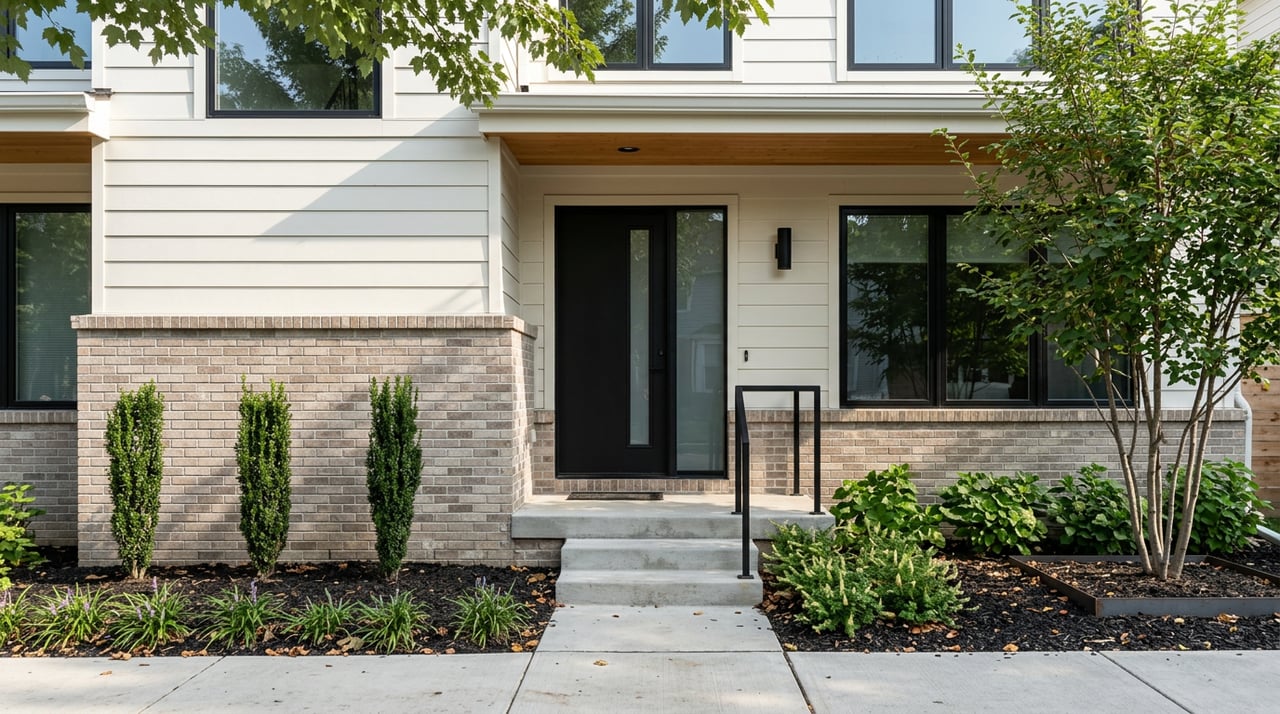
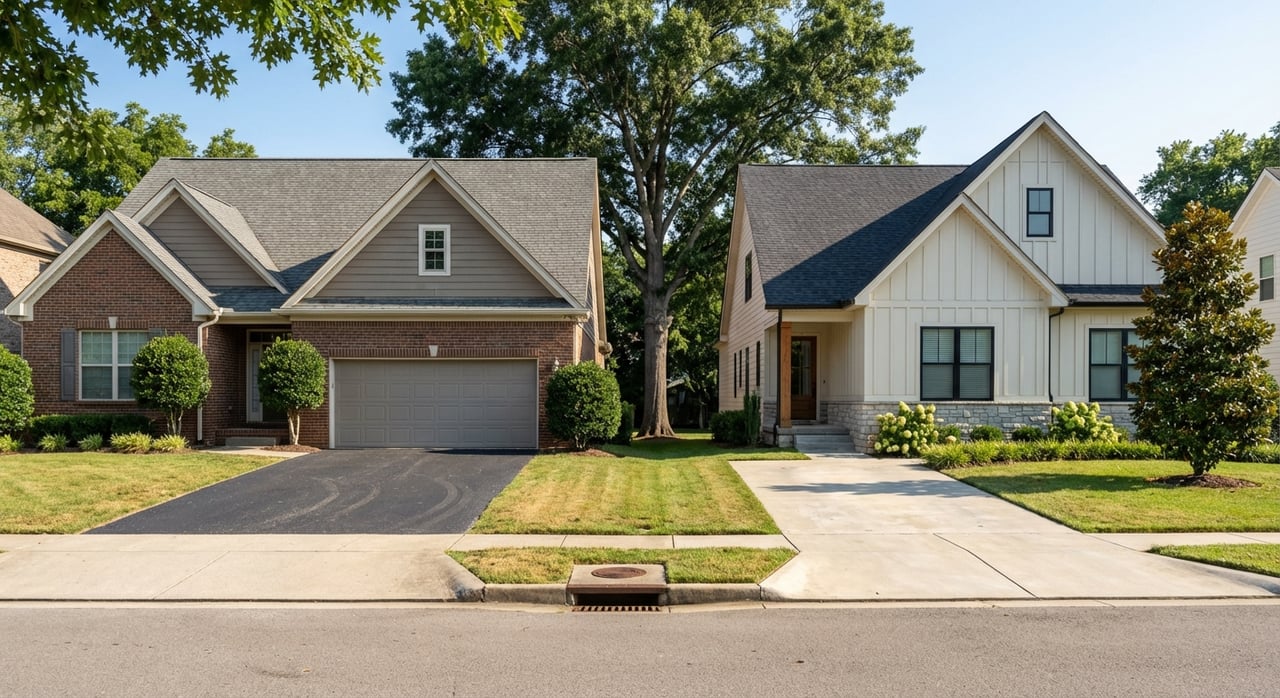
Buying a home in East Ridge is exciting, but the home inspection can feel like a big unknown. You want to be sure you’re getting a solid house, not a surprise project. A clear plan for inspection day helps you protect your budget and your peace of mind. In this guide, you’ll learn what inspections cover, what issues are common in East Ridge, how timelines work, and how to use your report to negotiate smartly. Let’s dive in.
What a home inspection covers
A standard buyer’s inspection is a visual, noninvasive look at the home’s major systems. Inspectors follow professional standards, such as the ASHI Standards of Practice or the InterNACHI Standards of Practice.
Expect the inspector to review:
- Roof, flashing, gutters, and downspouts
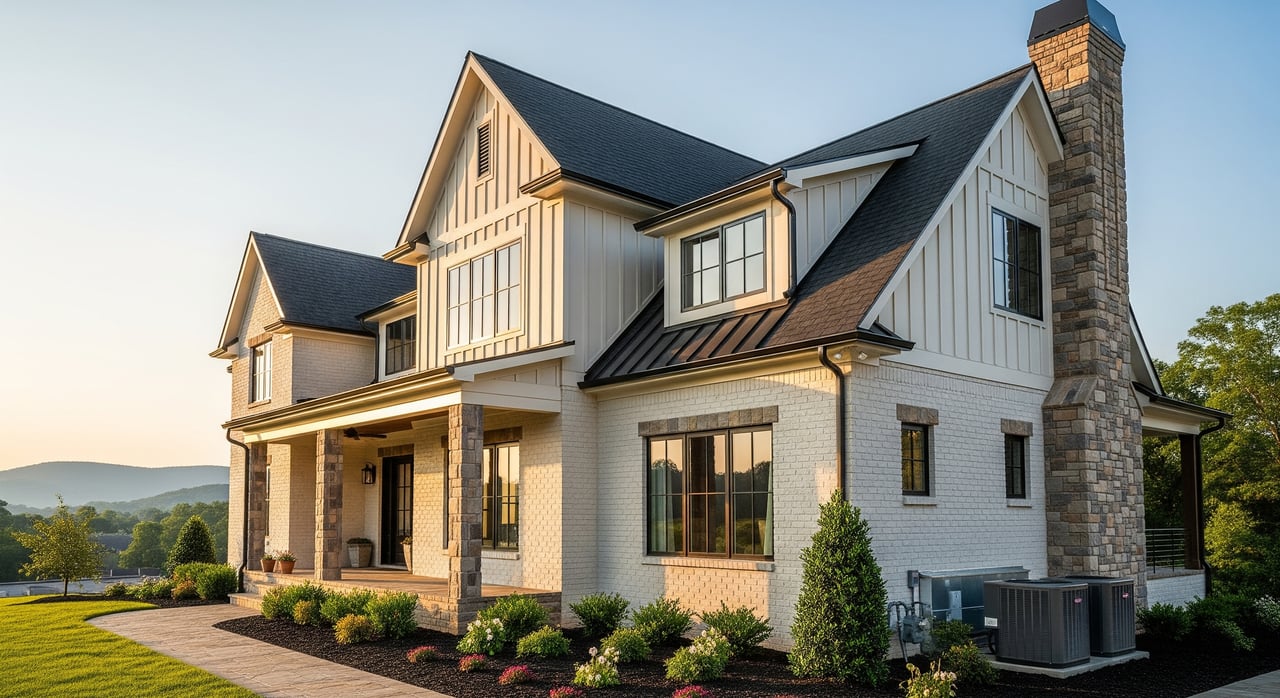
- Exterior walls, siding, brick veneer, and site grading
- Foundation, crawlspace or basement, and visible structure
- HVAC systems and ductwork
- Plumbing fixtures and visible supply and drain lines
- Electrical service, panels, outlets, and visible wiring
- Windows, doors, interior surfaces, and insulation/ventilation
- Major appliances that convey
Your inspector will point out safety items, major defects, and maintenance needs. The inspection is a professional opinion based on conditions on the day of the visit. It is not a guarantee or warranty of future performance.
Timelines East Ridge buyers should expect
- Scheduling: You typically schedule the inspection during your contract’s inspection contingency window. Local contracts often allow about 5 to 10 days after acceptance. Check your exact deadlines.
- On-site duration: Most single-family inspections take 2 to 4 hours. Larger or older homes may take longer. Add-on tests, like radon or sewer scopes, add time.
- Report delivery: Many inspectors provide a verbal summary on-site and a written report within 24 to 72 hours.
- Negotiation window: Buyers commonly have 48 to 72 hours after receiving the report to submit repair requests, depending on the contract.
East Ridge’s most common findings
East Ridge sits in a humid subtropical climate: hot, humid summers and mild winters. Moisture management is critical. The area’s housing stock ranges from mid-century ranches and post-war bungalows to newer subdivisions, so findings can vary by age and construction type.
Roofing and gutters
- Worn or damaged shingles and flashing issues around chimneys or roof penetrations
- Organic growth or moss on shaded sections
- Clogged or undersized gutters and downspouts that cause overflow
Why it matters: Heavy rain and humidity speed up wear. Water that is not properly directed away from the house can lead to leaks and foundation moisture.
Exterior walls and masonry
- Cracked mortar joints, efflorescence, or deteriorated brick veneer
- Siding attachment or flashing gaps at rooflines and trim
Why it matters: Small gaps can allow water intrusion. Over time, moisture can damage structure and finishes.
Foundation and crawlspaces
- Hairline slab cracks or minor settlement signs like stair-step cracks in brick
- Elevated crawlspace moisture, missing or degraded insulation, and patchy vapor barriers
Why it matters: Persistent moisture raises the risk of wood decay and mold. Crawlspace issues are common locally and should be addressed early.
Drainage and grading
- Negative grading, short downspout extensions, or compacted soil near the foundation
- Inconsistent stormwater routing around the home
Why it matters: Poor drainage leads to moisture intrusion. For flood risk awareness, check the FEMA Flood Map Service Center for floodplain information.
Plumbing
- Slow drains, minor leaks, and aging water heaters
- DIY or nonstandard repairs
- Older sewer lines can be root-invaded or damaged
Why it matters: Small plumbing issues can become bigger problems. For older homes, consider a sewer camera scope.
Electrical
- Missing GFCI protection near kitchens, baths, and exterior outlets
- Over-fused circuits or outdated panels
- Insufficient grounding; rare but possible aluminum branch wiring in certain eras
Why it matters: Electrical safety is a top priority. Corrections are often straightforward but should be handled by licensed pros.
HVAC and insulation
- Aging furnaces and AC units, clogged filters, or overdue service
- Attic insulation gaps and condensation in ductwork
Why it matters: In humid climates, HVAC performance and insulation are key for comfort, efficiency, and moisture control.
Pests and wood-destroying organisms
- Subterranean termites and other WDOs are common in Tennessee
Why it matters: A WDO inspection provides focused evaluation. For statewide guidance, the University of Tennessee Extension offers helpful pest and moisture resources.
Mold and indoor moisture
- Visible mold linked to leaks, crawlspace humidity, or poor ventilation
Why it matters: The goal is to fix moisture sources. Lab testing is not always necessary, but persistent moisture must be addressed.
Fireplaces and chimneys
- Missing caps, flashing issues, or draft problems with gas logs
Why it matters: Chimney maintenance is often deferred. A chimney specialist can verify safety.
Optional inspections to consider
Depending on the home’s age, features, or what your inspector finds, add-ons can provide deeper insights.
- Radon test: Learn about local guidance from the EPA’s radon resources. Short-term tests are common during escrow.
- WDO/termite inspection: Especially smart for older homes or any visible wood damage. See statewide guidance through the University of Tennessee Extension.
- Sewer scope: Recommended for older homes or any signs of sewer backups or slow drains.
- Mold testing or moisture mapping: Helpful when there are visible concerns or musty odors.
- Chimney inspection: Advisable if a fireplace or woodstove is present.
- HVAC specialty inspection: Useful for older or complex systems, or inconsistent conditioning.
- Septic or well: Only if the property is not on municipal systems.
How to use your report to negotiate
Start with a priority list so your requests are reasonable and effective.
- Safety and code-related items first: Gas leaks, carbon monoxide risks, major electrical hazards, and structural concerns. Buyers often require repairs before closing or request escrows.
- Major systems next: Roof replacement, HVAC replacement, or foundation repairs. Common approaches include closing credits, price reductions, or seller-completed repairs.
- Moderate or cosmetic items last: Gutter fixes, minor plumbing leaks, painting, or appliance tune-ups. These are often credits or accepted as-is.
- Specialist follow-up: If a big-ticket issue is suspected, get estimates from licensed contractors or a structural engineer. This grounds your negotiation in real numbers.
Common outcomes include seller repairs before closing with receipts, credits at closing, price reductions, or an escrow holdback for work that cannot be completed in time. If issues are beyond your comfort or the contingency terms are unmet, you can walk away.
Practical tips:
- Keep requests focused on safety, function, and major defects.
- Get quotes for large items to support your ask.
- Consider credits instead of replacements when timing is tight.
- Ask your inspector or a specialist to clarify anything you don’t understand.
Your inspection day checklist
Be ready so the inspector can access everything and you can learn as much as possible.
- Be present for the walkthrough or have your agent attend
- Bring the contract and seller disclosures; point out any concerns
- Confirm utilities are on: electric, gas, water
- Ensure access to the attic, crawlspace, garage, and panels
- Secure pets and open gates or locked areas
- Take notes and photos; ask for demonstrations of major systems
- Expect a verbal summary on-site and a written report in 24 to 72 hours
Choosing a local home inspector
Your goal is a thorough, well-documented inspection with clear communication.
What to ask and verify:
- Standards and sample report: Do they follow ASHI or InterNACHI standards, and can they share a sample report?
- Insurance: Confirm both general liability and errors and omissions coverage.
- Local experience: How many homes have they inspected in Hamilton County or East Ridge? Can they provide local references?
- Scope and add-ons: What is included, and what tests are extra? Ask for their recommendation for this specific property.
- Turnaround: When will the report arrive, and will it prioritize safety and major defects?
- On-site communication: Will they walk you through key findings and answer follow-up questions?
- Pricing: Get the base fee and costs for add-ons like radon or sewer scopes.
Risk checks before you close
- Verify flood risk: Use the FEMA Flood Map Service Center for floodplain status and local drainage context.
- Review permit history: Check applicable building and permit records for additions or renovations.
- Keep perspective: Many findings are normal maintenance that you can plan and budget for.
- Use specialists for clarity: When the inspector flags a major system concern, get a licensed contractor’s evaluation.
Buying in East Ridge should feel exciting and informed. With a strong inspection plan, you can protect your investment, prioritize repairs that matter, and negotiate from a position of confidence. If you want local guidance on inspectors, add-on tests, and negotiation strategies tailored to your target home, reach out to Deonne Taylor. You’ll get hometown advocacy and clear next steps from offer to closing.
FAQs
What do home inspections include in East Ridge?
- A visual, noninvasive review of roof, exterior, structure, HVAC, plumbing, electrical, windows/doors, interiors, insulation/ventilation, and appliances that convey, following ASHI or InterNACHI standards.
How long does an East Ridge inspection take?
- Most single-family inspections take 2 to 4 hours, with written reports usually delivered in 24 to 72 hours; add-on tests like radon or sewer scopes add time.
Do I need a termite inspection in East Ridge?
Should I test for radon when buying in East Ridge?
- Short-term radon testing is a common add-on during escrow; learn more about risks and testing from the EPA’s radon resources.
What if the report shows major issues?
- Prioritize safety and high-cost items, get contractor estimates, and pursue repairs, closing credits, or price reductions; if terms are not met, you can consider walking away per your contract.
How can I check flood risk for an East Ridge home?