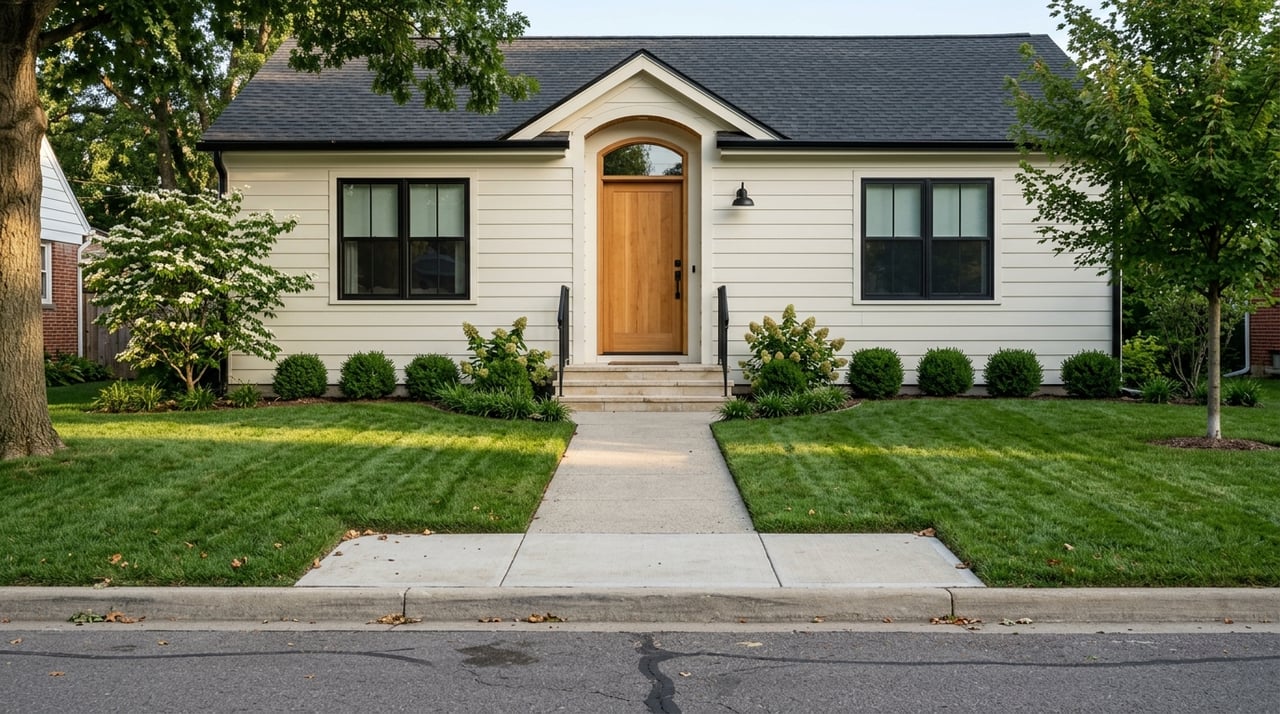
Choosing Between Old And New East Brainerd Neighborhoods
June 4, 2026
June 4, 2026
Wondering whether an older East Brainerd neighborhood or a newer subdivision is the better fit for your next move? It is a smart question, especially in an area that has grown quickly while still offering very different home styles, lot sizes, and neighborhood setups. If you are trying to balance space, convenience, HOA costs, and day-to-day lifestyle, this guide will help you sort through the tradeoffs and focus on what matters most for your move. Let’s dive in.
East Brainerd has been one of Chattanooga’s fastest-developing areas over the last decade, but its overall layout is still more car-oriented than walkable. The city’s area plan notes lower street connectivity, limited walkability to daily destinations, and fewer parks and greenways than many other parts of Chattanooga.
That does not mean East Brainerd lacks convenience. You still have major everyday anchors nearby, including Hamilton Place for shopping, dining, and entertainment, Erlanger East Hospital for medical care, and Don Eaves Heritage House on Jenkins Road as a community center. You also benefit from access to I-75, I-24, I-59, downtown Chattanooga, and the airport.
Because of that mix, the feel of your immediate neighborhood matters a lot here. In East Brainerd, the difference between an established street and a newer planned community can have a big effect on how you live day to day.
Older East Brainerd homes often sit on the area’s legacy road network and may come with more land. Current listing examples show older homes from the 1940s, 1950s, and 1960s on lots ranging from about 1 acre to nearly 2 acres.
If you want more breathing room, that can be a major advantage. Larger lots may give you more privacy, more yard space, and a setting that feels less uniform than a newer subdivision.
Established areas also tend to show more architectural variety. Instead of one builder or a tight construction window, you may see homes from different decades with different layouts, exterior styles, and renovation levels.
That said, older does not automatically mean no HOA. Current East Brainerd examples show that HOA status varies by subdivision, not simply by the age of the home. One established Brandermill example has a small annual HOA, while another established-area example in Brock Pointe shows no HOA at all.
Buyers often lean toward older East Brainerd neighborhoods when they want:
If yard space and privacy are high on your list, established streets may deserve a close look.
Newer East Brainerd subdivisions often focus more on shared amenities and a more turnkey neighborhood experience. Instead of larger private lots, many of these communities are designed around efficient homesites, sidewalks, green space, and neighborhood features that support everyday convenience.
Heritage Walk is one of the clearest examples. It is marketed as a new traditional neighborhood with trails connecting to Heritage Park, shared green space, paved running and bike trails, community squares, promenades, a playground, pool, and clubhouse. Current listings there show 2021 homes on 6,534-square-foot lots with monthly HOA dues.
Engel Park follows a similar pattern, with sidewalks, green spaces, a pool, pool house, fire pit, and dog park. Current listings show newer homes and townhomes with monthly HOA dues, though lot sizes can still vary by homesite and plan.
These neighborhoods can appeal to buyers who want newer construction and a more predictable neighborhood setup. In an area like East Brainerd, where broad walkability is limited, subdivision-level features like sidewalks, trails, and common areas can play a bigger role in your everyday routine.
Buyers often prefer newer communities when they want:
If convenience and neighborhood amenities matter more than having a very large yard, newer subdivisions may feel like the stronger fit.
For many buyers, this is where the decision gets real. In East Brainerd, lot size and HOA structure can vary quite a bit, and it is important not to assume too much based on age alone.
Older East Brainerd homes often show the biggest lots in current listing examples, including parcels around 1 acre to 1.9 acres. Newer developments often have smaller homesites, with examples ranging from 4,791 square feet to 6,534 square feet, although some newer homes can still sit on a 0.25-acre lot.
The same goes for HOAs. Some newer subdivisions do include recurring HOA dues tied to amenities and common areas, but established neighborhoods are not always HOA-free. The practical takeaway is simple: compare the specific subdivision and the specific property rather than relying on the label of old or new.
The best choice usually comes down to your priorities, not a universal rule. East Brainerd gives you options, but each option solves a different problem.
Established streets may be the better match if your top priorities are land, privacy, and a less standardized setting. If you picture a bigger yard, more distance from neighbors, or a home with a unique look and feel, older East Brainerd inventory may line up better with your goals.
This can also be a good fit if you want to focus less on shared amenities and more on the property itself. Just remember to verify HOA details, because that part is still subdivision-specific.
Newer subdivisions may make more sense if you want a more packaged neighborhood experience. Sidewalks, trails, playgrounds, green spaces, and pools can add convenience, especially in a part of town where walkability to daily destinations is otherwise limited.
This path can also appeal to buyers who prefer newer construction and a neighborhood with a more consistent setup. If you value a turnkey feel, newer East Brainerd communities are worth a close comparison.
This may be the most important takeaway of all. East Brainerd has enough variation that broad assumptions can lead you in the wrong direction.
A newer home does not always mean a tiny lot. An older home does not always mean no HOA. The right answer depends on the exact street, subdivision, homesite, and how those details match your budget and lifestyle.
No matter which type of neighborhood you choose, East Brainerd offers strong practical convenience. Hamilton Place gives you access to shopping, restaurants, and entertainment, while Erlanger East Hospital provides hospital and specialty care services nearby.
You also have access to Don Eaves Heritage House as a local community center, plus highway connections that make it easier to reach other parts of Chattanooga and beyond. For many buyers, that convenience is part of East Brainerd’s appeal.
The key is understanding that your immediate neighborhood experience may matter more here than in a more traditionally walkable part of town. That is why choosing between an older street and a newer subdivision is such an important decision.
If you are weighing both options, the smartest move is to line up your non-negotiables first. Think about how much yard you want, whether shared amenities matter to you, how you feel about HOA dues, and what kind of neighborhood setting feels most like home.
When you are ready to compare homes in East Brainerd with a local guide who knows the differences from one street to the next, reach out to Deonne Taylor. You will get honest guidance, local insight, and a hands-on approach that helps you choose with confidence.
Stay up to date on the latest real estate trends.

Get assistance in determining current property value, crafting a competitive offer, writing and negotiating a contract, and much more. Contact Deonne today to discuss all your real estate needs!